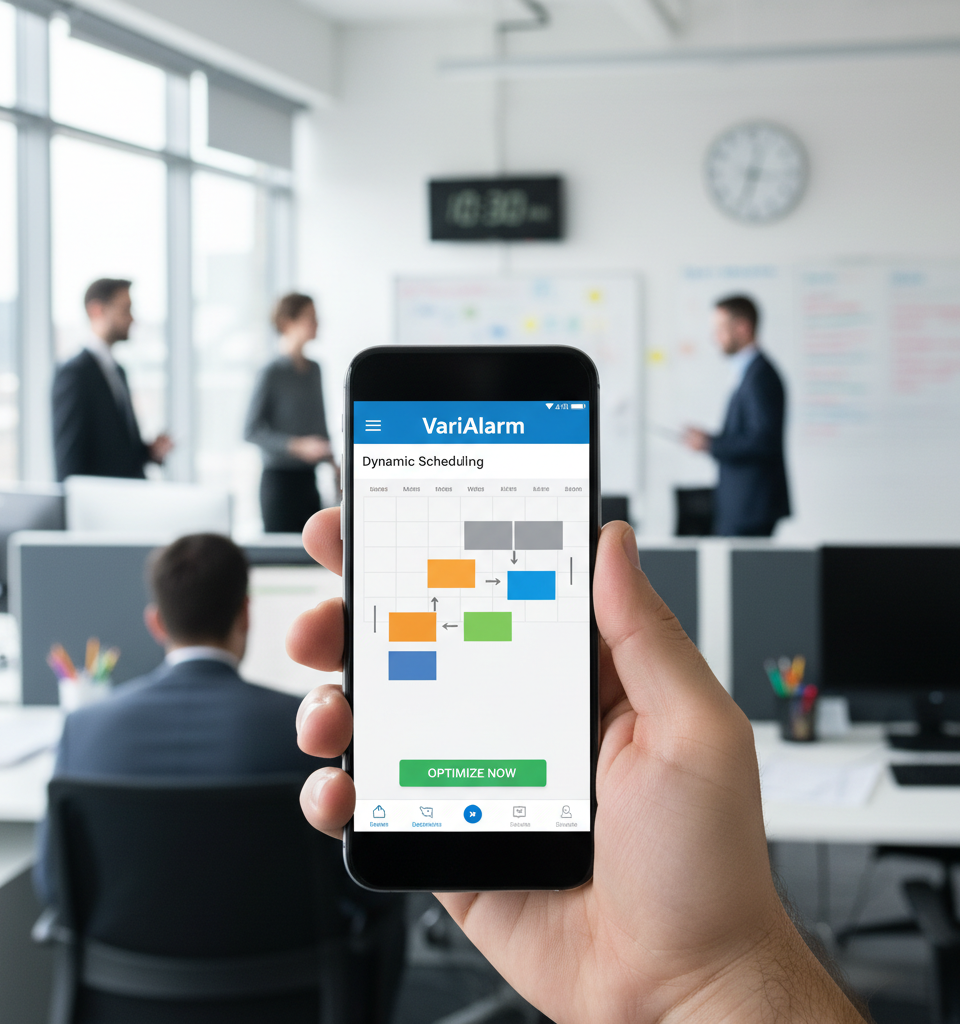
San Francisco, CA – [Date, e.g., October 26, 2023] – The ubiquitous smartphone alarm clock, a tool largely unchanged for decades, is facing a significant overhaul with the introduction of VariAlarm. This groundbreaking independent application, highlighted in 9to5Mac's weekly "Indie App Spotlight," is poised to revolutionize personal scheduling by dynamically adjusting alarm times based on a user's evolving schedule, rather than relying on fixed, predetermined settings. This innovation addresses a long-standing user pain point: the cumbersome and often inefficient process of manually managing a multitude of static alarms within native clock applications.
The Inefficiency of Static Alarms and VariAlarm's Solution
The traditional mobile alarm clock operates on a rigid principle: set a time, and it rings. While seemingly straightforward, this model proves increasingly inefficient for individuals with variable routines—students juggling classes, freelancers with shifting deadlines, or professionals with irregular meeting schedules. Users often find themselves creating, deleting, and modifying numerous alarms daily, leading to cognitive overload and missed appointments. VariAlarm directly confronts this inefficiency by integrating with a user's calendar and other scheduling inputs to intelligently recalibrate alarm times. For instance, if a morning meeting is moved, VariAlarm can automatically adjust a wake-up alarm accordingly, eliminating manual intervention.
Key Features and Dynamic Capabilities
VariAlarm distinguishes itself through several core features. Its primary innovation lies in its algorithmic engine, which processes calendar events, task lists, and user-defined preferences to create a responsive alarm schedule. Users can set 'buffer times' before events, allowing VariAlarm to calculate optimal wake-up or preparation alarms. The app also supports 'chaining' alarms, where one alarm's completion triggers a sequence of subsequent notifications, ensuring smooth transitions between tasks. While specific pricing details were not immediately available in the initial announcement, it is anticipated to follow a freemium model or a one-time purchase, common within the indie app ecosystem, offering premium features for a nominal fee.
Potential Impact on the Productivity App Market
The introduction of VariAlarm could significantly impact the burgeoning productivity app market, a sector estimated to reach over $70 billion globally by 2027. By addressing a fundamental yet often overlooked aspect of daily organization—alarm management—VariAlarm carves out a niche that existing calendar or task management apps have largely ignored. This approach could inspire a new wave of 'smart' utility applications, prompting larger tech companies to re-evaluate the static nature of their native clock and calendar offerings. The app's success could redefine expectations for how personal time management tools interact with a user's dynamic lifestyle.
Expert Analysis: A Step Towards Contextual Computing
Industry analysts are cautiously optimistic about VariAlarm's potential. Dr. Anya Sharma, a leading expert in human-computer interaction at Stanford University, commented, "VariAlarm represents a crucial step towards truly contextual computing. Instead of users adapting to their technology, the technology is now adapting to them. This shift, while seemingly minor for an alarm app, lays groundwork for more intelligent, anticipatory systems across the mobile ecosystem." She further noted, "The challenge will be in ensuring seamless integration with diverse calendar platforms and robust privacy protocols, given the sensitive nature of personal schedule data." User adoption will heavily depend on both functionality and reliability.
The Road Ahead: Integration and Expansion
Looking forward, VariAlarm's development roadmap is expected to prioritize deeper integration with various third-party services, including popular work management platforms like Asana or Trello, and smart home devices. Future iterations could incorporate machine learning to predict optimal alarm times based on sleep patterns or typical commute durations. The team behind VariAlarm has indicated plans for an Android version following its initial iOS launch, aiming for a broader market reach. As the digital landscape increasingly demands personalized and adaptive solutions, VariAlarm positions itself at the forefront of this evolution, promising a future where our alarms work for us, not the other way around. The success of this indie app could set a new benchmark for utility and convenience in personal digital assistance.