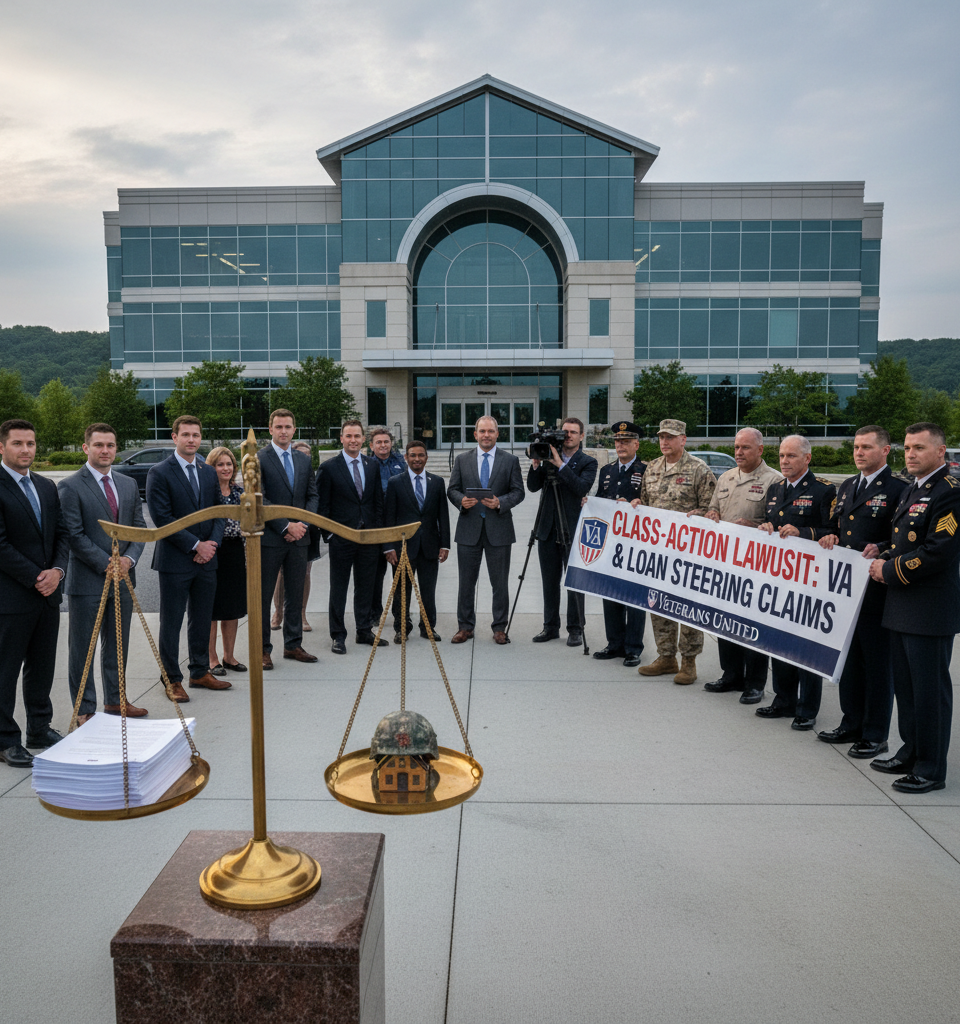
Veterans United Home Loans, a leading lender in the VA mortgage sector, has filed a comprehensive motion to dismiss a class-action lawsuit accusing it of engaging in deceptive practices. The lawsuit, brought forth by a group of veteran borrowers, alleges that the company falsely presented itself as officially affiliated with the U.S. Department of Veterans Affairs (VA) and, furthermore, steered unsuspecting veterans towards mortgage products with higher interest rates and fees than necessary. This significant legal development, unfolding in federal court, could have far-reaching implications for both Veterans United and the broader VA lending industry.
The Gravity of the Accusations
At the heart of the complaint are serious allegations that strike at the core of trust for military service members: misrepresentation and financial exploitation. The plaintiffs contend that Veterans United strategically employed marketing and branding tactics—including the prominent use of the word "Veterans" and visual elements implying government endorsement—to create an illusion of official VA partnership. This alleged deception, they argue, led veterans to believe they were accessing government-backed, most advantageous loans when, in reality, they were reportedly being pushed into more expensive loan options that maximized the lender's profits, potentially violating federal consumer protection laws and VA guidelines.
Unpacking the Lawsuit's Specifics
While specific figures were not uniformly detailed across all claims, the lawsuit references instances where veterans allegedly incurred tens of thousands of dollars in excess interest and fees over the life of their loans compared to competitive offerings. The plaintiffs' filing highlights internal communications and public-facing advertisements as evidence of the alleged impersonation tactics. One key point of contention is Veterans United's advertising, which, according to the lawsuit, blurs the lines between a private lender and a government agency, thus misleading a vulnerable demographic that relies heavily on VA benefits and services. The motion to dismiss, filed by Veterans United's legal team, argues that the plaintiffs' claims lack factual basis and legal standing, asserting that the company's marketing is transparent and clearly identifies it as a private entity operating within the VA loan program framework.
Industry-Wide Ramifications
This lawsuit extends beyond Veterans United, casting a critical eye on the ethics and oversight within the entire VA lending landscape. The controversy could prompt increased scrutiny from regulatory bodies, including the Consumer Financial Protection Bureau (CFPB) and the VA itself, into the marketing and loan origination practices of all lenders participating in the VA home loan program. A ruling against Veterans United, or even a protracted legal battle, could erode public trust in mortgage providers catering to veterans and may lead to calls for stricter guidelines on how private companies can represent their affiliation (or lack thereof) with government services.
Expert Analysis and Legal Hurdles
Legal experts suggest that the outcome will hinge on the court's interpretation of what constitutes 'deceptive advertising' when it comes to implying government affiliation. “The line between legitimate branding that appeals to a veteran demographic and misleading veterans into believing they are dealing directly with the government is a fine one,” commented Sarah Jenkins, a consumer law analyst. “The plaintiffs will need to demonstrate not just intent, but also tangible financial harm directly caused by the alleged impersonation and steering, which can be challenging to quantify in mortgage transactions.” Should the court allow the case to proceed, it could signal a more aggressive stance from the judiciary on consumer protection for servicemen and women.
The Road Ahead: Potential Outcomes and Fallout
The immediate future involves the court's decision on Veterans United's motion to dismiss. If the motion is denied, the case will likely proceed to discovery, potentially unearthing further internal documents and communications that could strengthen or weaken the plaintiffs' claims. A settlement remains a possibility, particularly if the legal costs and reputational damage begin to outweigh the benefits of fighting the lawsuit. Conversely, a successful dismissal for Veterans United would temporarily alleviate the pressure but might not entirely quell public relations challenges or future regulatory interest in VA loan marketing. Regardless of the outcome, this lawsuit undoubtedly underscores the critical importance of clarity and ethical conduct in financial services targeting the veteran community, and it will be closely watched by consumer advocates, industry competitors, and, most importantly, veterans themselves.