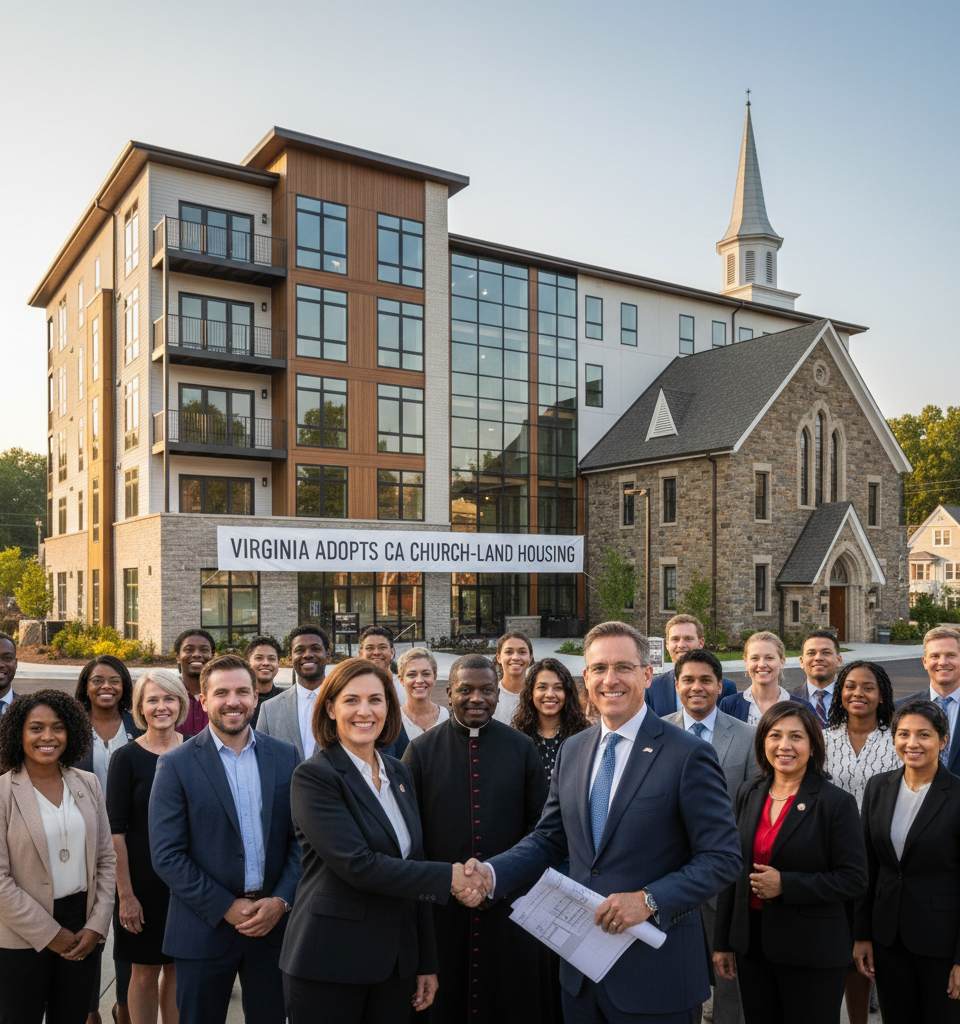
In a significant legislative development, Virginia has enacted a new law permitting churches and other faith-based organizations to construct affordable housing on their land, effectively adopting a pioneering model first implemented in California. This groundbreaking policy, which grants Virginia-based faith groups a four-year window beginning January 1, 2027, to initiate such projects, is poised to unlock substantial underutilized assets for addressing the state’s pressing affordable housing crisis. The move follows recent legislative approval, reflecting a national trend towards innovative solutions for housing shortages.
Context and Background
The initiative gained momentum in response to an increasingly severe affordable housing deficit across the Commonwealth. Historically, religious institutions, particularly in urban and suburban areas, often own significant parcels of land, much of which is either underutilized or zoned exclusively for religious purposes. This new legislation bypasses some of the traditional zoning and permitting hurdles that typically impede housing development, offering a streamlining mechanism for faith groups. The California precedent, particularly its Affordable Housing and High Occupancy Housing on Property Owned by Religious Institutions (AB 2244) laws, demonstrated the viability and effectiveness of leveraging these assets to create thousands of new affordable units, inspiring similar legislative efforts nationwide. The Virginia General Assembly's decision underscores a growing recognition that conventional development approaches alone are insufficient to meet current housing demands.
Key Details and Implementation Under the new
Virginia law, known informally as the "Faith in Housing Act," faith-based organizations are empowered to develop housing projects that dedicate a certain percentage, often 20% or more, to affordable units. The specific affordability thresholds are typically tied to Area Median Income (AMI), ensuring that units cater to low- and moderate-income residents. The legislative text emphasizes a streamlined approval process, reducing the bureaucratic lead time that often delays or derails housing projects. While the full regulatory framework is still being developed, initial details suggest that projects will benefit from by-right approvals, meaning they meet certain pre-defined criteria and do not require extensive discretionary review. This four-year implementation window, from January 1, 2027, provides churches adequate time for planning, fundraising, and partnership formation. Early estimations suggest that if just 10% of eligible faith groups participate, thousands of new affordable units could be added to Virginia's housing stock within the next decade.
Industry and Market Impact
The decision is expected to have a multifaceted impact on Virginia's housing market. For developers, particularly non-profit and mission-driven organizations, it presents a new avenue for project sourcing and collaboration. The availability of low-cost or donated land significantly reduces development costs, making affordable housing projects more financially viable without relying solely on state or federal subsidies. This could also spur innovation in financing models, encouraging new public-private partnerships focused on social impact. Furthermore, by increasing the supply of affordable housing, the legislation aims to alleviate pressure on rental markets, potentially moderating rent increases in congested areas. The construction sector stands to benefit from increased project pipelines, creating local jobs and stimulating economic activity.
Expert Perspective Housing policy experts are largely optimistic about
Virginia's adoption of this model, though they also note potential challenges. Dr. Eleanor Vance, a senior fellow at the Center for Housing Policy, commented, "This legislation is a game-changer for Virginia, tapping into a vast, often overlooked resource for affordable housing. The faith community has a demonstrated commitment to social welfare, and leveraging their land assets smartly can yield substantial benefits." However, Dr. Vance also cautioned, "Success will hinge on the state providing robust technical assistance and capacity building for churches, many of whom lack experience in real estate development. Without proper support, the 'window of opportunity' might not be fully utilized." She also highlighted the importance of clear guidelines for ensuring long-term affordability and avoiding potential displacement in surrounding communities.
What's Next: Future Implications
Looking ahead, the next few years will be crucial for the successful implementation of this policy. State housing agencies are expected to roll out comprehensive guidance, technical assistance programs, and potentially incentive structures to encourage participation from faith-based organizations. Outreach efforts will be vital to inform churches about the opportunity and assist them in navigating the process, from initial project conceptualization to securing financing and development partners. There's also the possibility that Virginia could further refine the law based on early outcomes, similar to how California has iteratively improved its 'builder's remedy' and housing density bonus laws. Other states grappling with housing affordability are closely watching Virginia's progress, hinting that this model could become a national blueprint for addressing housing crises through unconventional partnerships and legislative innovation. Successful execution of this program could establish Virginia as a leader in innovative affordable housing solutions, setting a precedent for how states can work with diverse community stakeholders to tackle complex societal challenges. The path forward remains challenging, requiring diligent execution and continuous collaboration, but the potential rewards are substantial for hundreds of thousands of Virginians in need of stable, affordable homes.