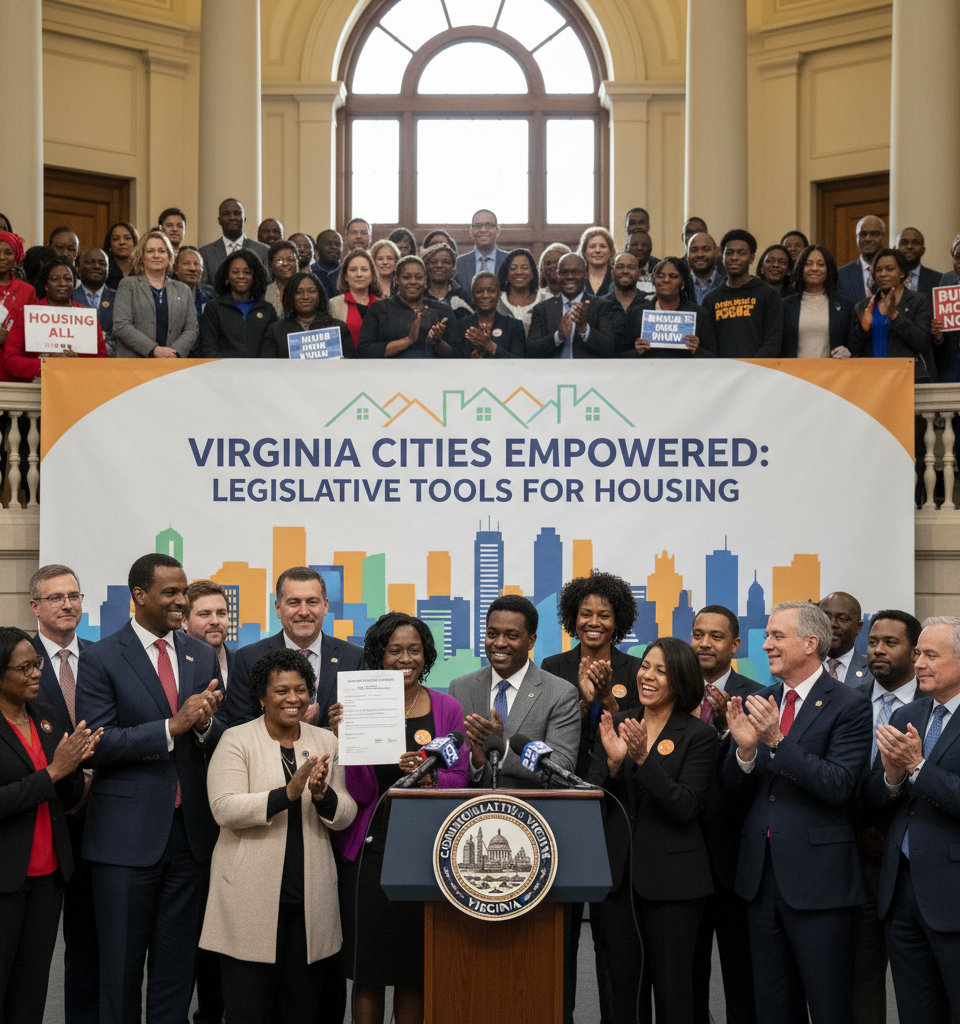
RICHMOND, VA – Effective July 1, Virginia cities and counties have been granted unprecedented legislative powers to address the deepening affordable housing crisis plaguing the Commonwealth. A series of new laws passed by the Virginia General Assembly now allows every locality to adopt voluntary inclusionary zoning ordinances, implement density bonuses, permit Accessory Dwelling Units (ADUs), and establish trust-fund fee options. This comprehensive legislative package represents a significant paradigm shift in how Virginia communities can approach and ultimately alleviate the severe shortage of affordable housing units, empowering local governments with a more robust set of tools previously unavailable or severely restricted.
The Deepening Housing Crisis and Its Roots
Virginia, like much of the nation, has been grappling with an escalating affordable housing crisis for over a decade. Factors such as stagnant wage growth coupled with soaring property values and rental costs, restrictive zoning laws, and a historical underinvestment in affordable housing initiatives have contributed to a significant deficit. Recent data from the National Low Income Housing Coalition (NLIHC) indicates that Virginia has a shortage of over 180,000 affordable rental homes for extremely low-income renters. This gap affects not only the state's most vulnerable populations but also impacts economic development, workforce stability, and the overall quality of life for a growing number of residents. Previous attempts to address this complex issue were often stymied by a lack of comprehensive legislative backing at the state level, leaving localities with limited options.
Key Legislative Provisions and Their Impact
The newly enacted legislation introduces several critical provisions. Voluntary inclusionary zoning allows localities to require or incentivize developers to set aside a certain percentage of units in new residential developments for low to moderate-income households, often in exchange for other concessions. Density bonuses offer developers the ability to build more units than typically permitted on a parcel if they include affordable housing components. The widespread permission for Accessory Dwelling Units (ADUs), often referred to as granny flats or in-law suites, allows homeowners to build secondary, smaller homes on their property, providing a pathway to increased housing supply and potential rental income. Finally, the establishment of trust-fund fee options permits localities to collect fees from certain developments to fund affordable housing initiatives directly. These tools, while voluntary for localities to adopt, offer a flexible framework that can be tailored to specific local needs and market conditions.
Broad Industry Implications and Developer Response
The introduction of these legislative tools is expected to have a multifaceted impact on Virginia's real estate and development industries. While some developers may initially view inclusionary zoning or fees as additional costs, the potential for density bonuses and streamlined ADU processes could offset these perceived burdens, creating new development opportunities. Industry associations, such as the Home Builders Association of Virginia, have expressed a willingness to engage with localities to understand the nuances of implementation. The legislation encourages a collaborative approach, fostering partnerships between local governments, community organizations, and private developers to create economically viable and socially beneficial housing solutions. The ability to increase housing density in desirable areas could also help alleviate pressure on land prices.
Expert Analysis: A Step Towards Equity and Sustainability
Urban planning experts and housing advocates have largely lauded the new legislation as a crucial step forward. Dr. Emily Carter, a professor of Urban Studies at Virginia Commonwealth University, commented, "This suite of legislation finally provides Virginia localities with the robust toolkit they've needed for years. While voluntary, it empowers them to be proactive rather than reactive in addressing housing affordability. The inclusion of ADUs, in particular, offers a 'Missing Middle' solution that can incrementally increase housing stock without drastically altering neighborhood character." She further noted that the success of these measures would largely depend on thoughtful local implementation and strong community engagement to ensure equitable outcomes.
Challenges and the Road Ahead for Implementation
While the legislative framework is now in place, the true test lies in its implementation. Localities will need to develop specific ordinances, navigate public feedback, and address potential legal challenges. Challenges may arise in determining appropriate percentages for inclusionary zoning, the precise metrics for density bonuses, and establishing clear guidelines for ADUs that balance individual property rights with community benefits. Furthermore, funding for trust funds will require careful planning and allocation. The Virginia Housing Development Authority (VHDA) is expected to play a crucial role in providing technical assistance and guidance to localities as they navigate these new powers.
Future Outlook: A Collaborative Path to Enhanced Affordability
The long-term impact of these legislative changes holds the promise of a more diverse and accessible housing market across Virginia. By empowering local governments, the state has acknowledged the nuanced nature of housing affordability, allowing for solutions tailored to specific municipal contexts. The coming months will see numerous localities initiating public forums and planning sessions to determine how best to leverage these new tools. Success will hinge on sustained political will, strong public-private partnerships, and a commitment to innovative planning that prioritizes housing as a fundamental human right and a cornerstone of vibrant, equitable communities. This legislative package marks not an end, but a vital beginning in Virginia's ongoing journey to ensure affordable housing for all its residents.