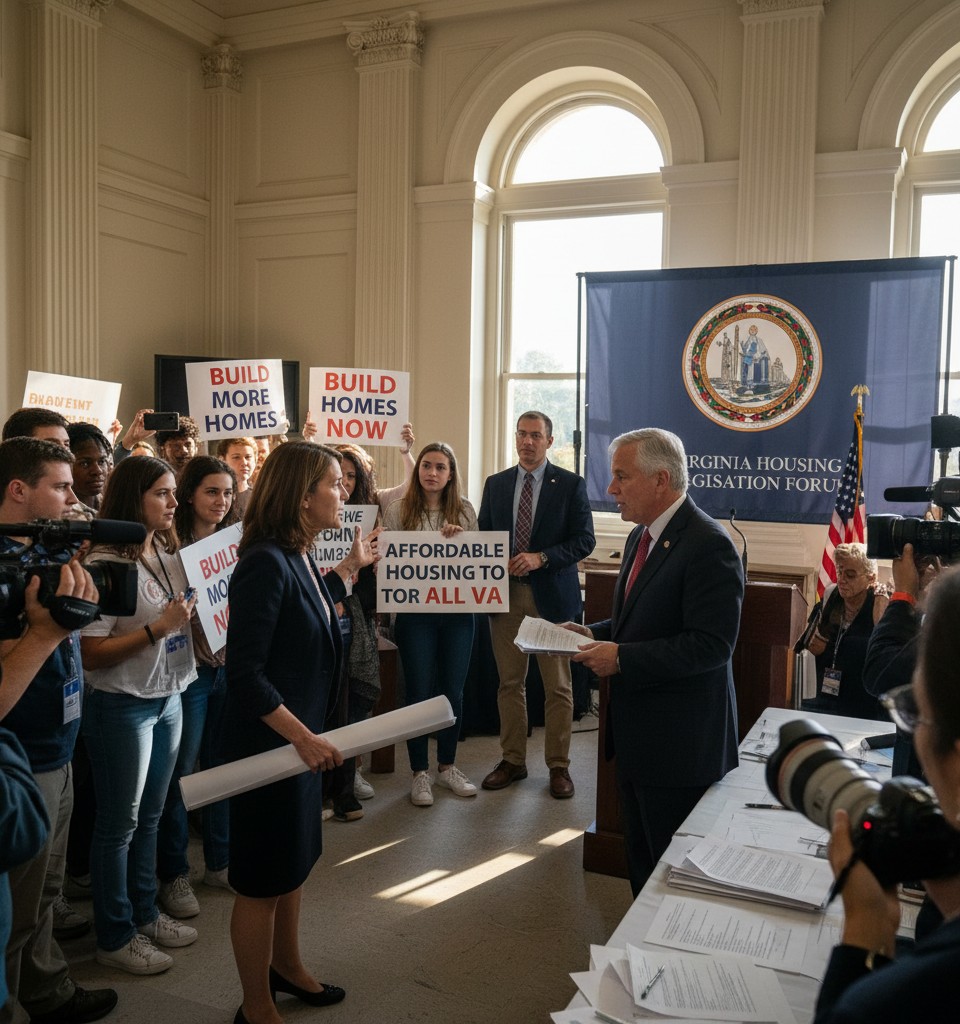
RICHMOND, VA – A pivotal legislative battle over housing policy in Virginia is reaching a critical inflection point, with a recently passed "Yes In My Backyard" (YIGBY) bill now awaiting action that could significantly shape the state's development landscape and impact Representative Abigail Spanberger's political standing. The legislation, which advocates say aims to streamline housing development and address affordability concerns, has ignited fierce opposition from a coalition of local governments and a number of prominent civic organizations.
The bill's passage through the Virginia General Assembly, despite concerted efforts by its opponents, has escalated the debate directly to Spanberger's desk, placing her at the center of a complex political dynamic. The pressure for a veto underscores the deep divisions over how best to manage growth and housing supply within the Commonwealth. While proponents argue the bill is crucial for addressing housing shortages and reducing costs, its detractors fear it could usurp local zoning authority and lead to unchecked development that strains existing infrastructure and alters community character.
Local Opposition Mounts Against YIGBY Legislation
The intensity of the opposition is a key factor in the current dilemma. Sources close to the legislative process indicate that local governments are expressing significant concerns over potential infringements on their ability to manage land use and zoning regulations. These local entities, often the first point of contact for constituents regarding development projects, view aspects of the YIGBY bill as an attempt to centralize power that has traditionally resided at the municipal and county levels.
Adding to this chorus are a small but vocal group of civic organizations. These groups, often focused on environmental protection, neighborhood preservation, and quality of life issues, have been actively lobbying against the bill's implementation. Their opposition is rooted in fears that accelerated development, potentially mandated by the state, could lead to adverse environmental impacts, increased traffic congestion, and a loss of community distinctiveness without adequate local oversight. Their failure to halt the bill in the General Assembly has only intensified their efforts to persuade Spanberger to exercise her veto power.
Broader Implications for Virginia's Housing Market and Governance
The outcome of this legislative standoff carries significant implications beyond the immediate policy. For the broader housing market in Virginia, the YIGBY bill could, if signed into law, facilitate an increase in housing stock, potentially easing some of the affordability pressures observed across various regions of the state. However, the exact impact would largely depend on the specifics of the bill's provisions and how effectively they are implemented and adopted by developers.
From a governance perspective, the situation highlights an ongoing tension between state-level aspirations for addressing widespread issues and the desire for local control over community development. The debate over the YIGBY bill serves as a microcosm of larger conversations about the appropriate balance of power between different levels of government, particularly in areas like land use where decisions have profound local consequences.
Spanberger's Position and Future Political Landscape
Representative Spanberger's decision on the YIGBY bill is widely anticipated to be a defining moment for her legislative agenda and could have ramifications for her political future. Aligning with the local governments and civic organizations by issuing a veto would underscore her commitment to local control and community concerns, potentially solidifying support among these constituencies. Conversely, allowing the bill to become law could signal a prioritization of state-level housing objectives, a move that might appeal to broader segments of the electorate concerned about housing affordability.
This decision is not merely about a single piece of legislation; it is perceived as a litmus test for how Spanberger balances competing interests and navigates complex policy challenges. In the current political climate, where local issues often resonate deeply with voters, her choice on the YIGBY bill could influence perceptions of her leadership and effectiveness as she continues to represent her district.
What Lies Ahead: Awaiting a Pivotal Decision
As the state awaits a decision, the implications for housing development, local autonomy, and Spanberger's political trajectory are significant. Her path forward is fraught with challenges, balancing the demands of stakeholders with diverse interests. The coming days are expected to reveal whether the intense lobbying efforts against the YIGBY bill will ultimately succeed in securing a veto, thereby prolonging the legislative battle over Virginia's housing future, or if the bill will proceed, initiating a new phase of implementation and potential impacts on communities across the Commonwealth.