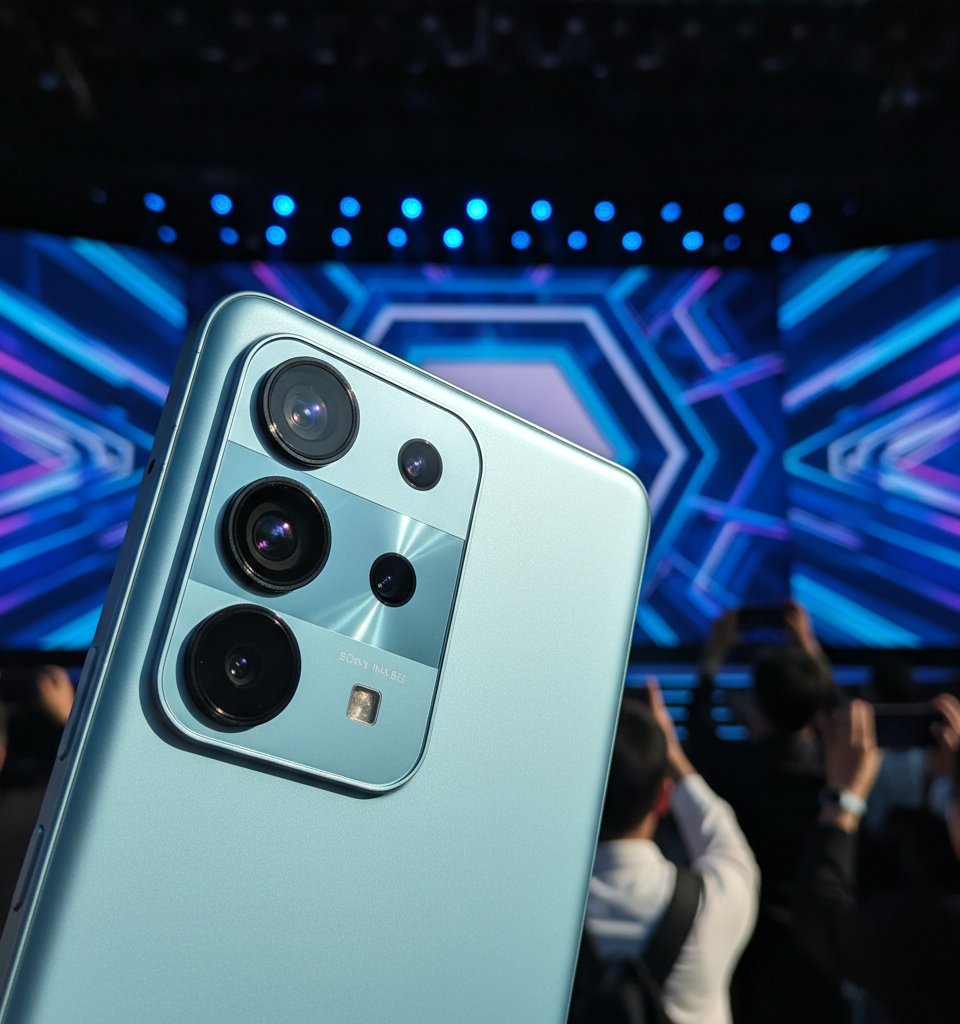
The rollout of new smartphone models like the Vivo T5 5G affects regional market share and supply chain dynamics, particularly in key growth markets. OEMs and component suppliers must closely monitor these launches to assess competitive pressure and adjust production forecasts.
Vivo has revealed significant camera specifications for its forthcoming T5 5G smartphone, ahead of its scheduled launch in India later this week. This disclosure highlights the company's strategy to emphasize imaging capabilities in the highly competitive smartphone segment, particularly targeting consumers seeking advanced photographic features.
Key Camera Specifications
The T5 5G will feature a 50-megapixel (MP) primary rear camera. This main sensor is notable for its inclusion of 4-axis optical image stabilization (OIS), a technology designed to reduce blur from camera shake, especially in low-light conditions or when recording video. The camera will also utilize a Sony IMX882 sensor, known for its performance in capturing detailed images.
The integration of OIS is a key differentiator for mid-range devices. This feature helps produce sharper images and smoother video footage by physically adjusting the lens or sensor to counteract movement. The choice of the Sony IMX882 sensor further suggests Vivo's intention to offer a robust imaging experience, leveraging a component from a leading sensor manufacturer.
Market Context and Strategy
India remains a critical battleground for smartphone manufacturers, with intense competition across all price segments. By announcing these camera specifications pre-launch, Vivo aims to generate consumer interest and differentiate the T5 5G from rival devices. The focus on a high-resolution primary sensor combined with OIS indicates a push towards enhanced mobile photography, a feature increasingly valued by consumers.
Smartphone makers are continuously looking for ways to attract buyers in a saturated market. Premium camera features, once reserved for flagship models, are now migrating to more affordable segments. This trend forces competitors to innovate or upgrade their offerings to keep pace. Vivo’s proactive announcement suggests a confident play in this evolving landscape.
Industry Impact and Future Outlook
The move by Vivo to equip a mid-range device with advanced camera technology like 4-axis OIS and a Sony sensor could set new expectations for the segment. Other manufacturers may feel pressure to incorporate similar features into their upcoming models to remain competitive. This could lead to a broader improvement in camera capabilities across the mid-range market, benefiting consumers.
For component suppliers, the adoption of specific sensors like the Sony IMX882 signals potential demand patterns. Manufacturers like Sony benefit from such high-volume deployments. The competitive pressure on camera modules is intense, driving innovation in sensor technology, lens design, and image processing algorithms.
What to Watch Next
Following the full launch later this week, attention will turn to the complete specifications, pricing, and availability of the Vivo T5 5G. These details will be crucial in determining its overall market positioning and competitive edge against established players. Analysts will also be observing consumer reception and initial sales figures to gauge the effectiveness of Vivo’s strategy. The performance of the T5 5G in real-world scenarios, particularly its camera output, will be a key factor in its success.