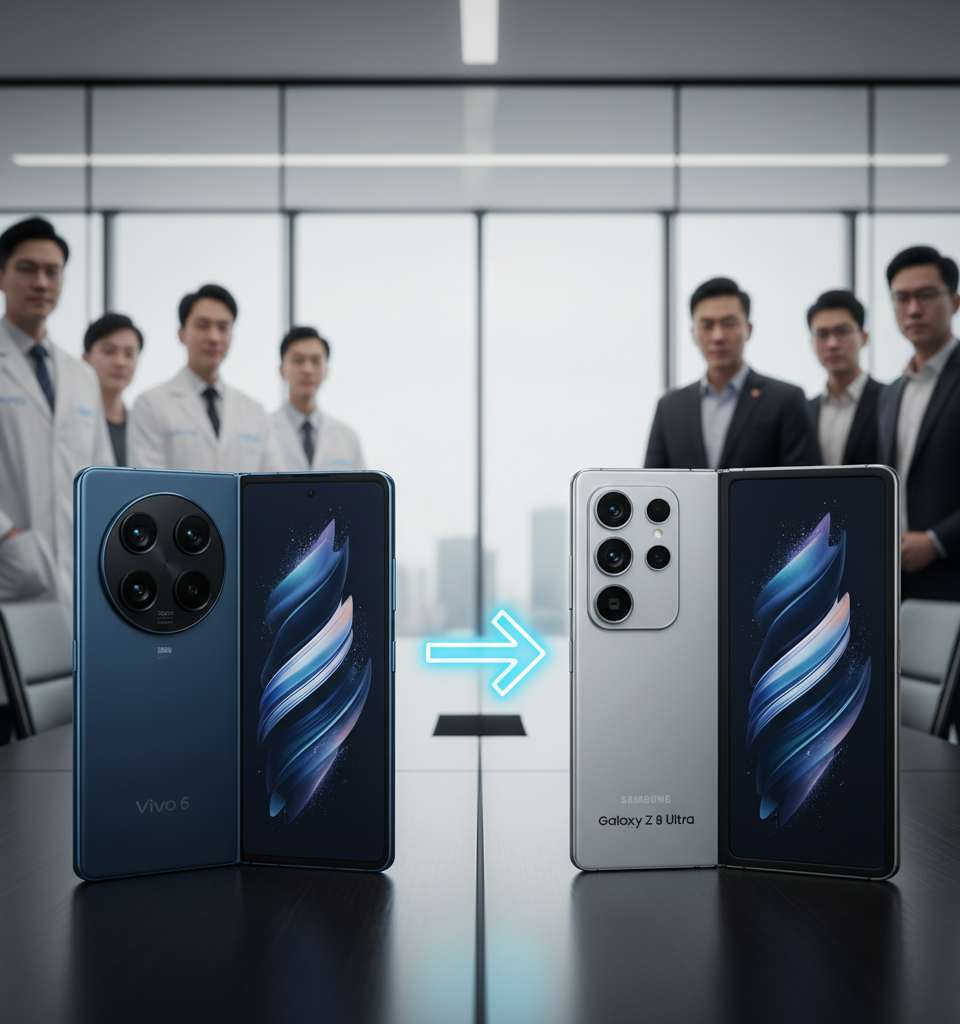
The foldable smartphone landscape is currently abuzz with anticipation regarding the potential emergence of the Vivo X Fold 6 as a leading contender in the high-end photographic mobile segment. Industry observers and tech enthusiasts are closely watching developments, positing that the device, with its rumored support for a 200mm teleconverter, could directly challenge the yet-to-be-released Samsung Galaxy Z Fold 8 Ultra, particularly in the realm of advanced optical zoom and photographic performance.
Historical Context and Market Expectations
Since their introduction, foldable smartphones have consistently pushed the boundaries of mobile technology, offering larger screens in compact forms. However, camera capabilities, while strong, have often lagged behind their traditional, non-folding flagships. This has created a significant opportunity for manufacturers to differentiate their foldable offerings through superior imaging systems. Vivo, known for its innovation in mobile photography, appears poised to capitalize on this and raise the bar for what consumers can expect from a foldable device's camera. The market has been keenly awaiting a foldable that doesn't compromise on photographic excellence.
Key Features and Technological Implications
The most compelling detail surrounding the Vivo X Fold 6 is its anticipated compatibility with a 200mm teleconverter. This feature, if implemented as rumored, would be a game-changer, allowing for unprecedented levels of optical zoom in a foldable form factor. A 200mm equivalent focal length typically translates to an 8x or 10x optical zoom when compared to a standard wide-angle lens, offering greatly enhanced capabilities for distant subjects without digital degradation. This goes beyond the computational photography approaches currently prevalent in many smartphones, focusing instead on true optical magnification. Such an addition could elevate the foldable from a versatile device to a professional-grade or enthusiast-level imaging tool, directly impacting its appeal to serious photographers.
Industry and Market Impact
Should the Vivo X Fold 6 successfully integrate this advanced optical system, it would undoubtedly send ripples through the mobile photography and foldable phone markets. For Samsung, historically a leader in both segments, it could necessitate a strategic response in terms of camera technology for its future Galaxy Z Fold iterations. Other manufacturers like Honor, Xiaomi, and Google, who are also investing heavily in their foldable lineups, would likely feel pressure to innovate further in their photographic departments to remain competitive. This move by Vivo could kickstart an arms race in the foldable camera space, ultimately benefiting consumers with more capable devices.
Expert Perspectives
While specific expert quotes are unavailable at this stage, the general consensus among tech analysts is that camera technology remains a critical differentiator in an increasingly saturated smartphone market. "The ability to offer true optical zoom of this magnitude in a foldable would be a significant engineering feat and a major selling point," noted one industry observer who prefers to remain unnamed due to ongoing consultations with various manufacturers. "It addresses a long-standing desire among users for foldables that don't compromise on camera performance, potentially making the X Fold 6 a serious contender for the 'best camera phone' title, regardless of its form factor."
Future Implications and What's Next
The rumored specifications for the Vivo X Fold 6 position it as a device that could redefine expectations for premium foldable smartphones. Its focus on an advanced camera system with a 200mm teleconverter could compel competitors to accelerate their own research and development in optical zoom technology for bendable devices. The coming months will be crucial as more details about the Vivo X Fold 6 emerge, and as Samsung potentially unveils its own advancements in the Galaxy Z Fold 8 Ultra. This development hints at a burgeoning era where foldables not only offer versatile screen experiences but also exceptionally powerful and versatile camera capabilities, bridging the gap between premium smartphones and dedicated mirrorless cameras.