The integration of advanced chip architectures like 2nm technology directly impacts supply chain resilience and global competitiveness for smartphone manufacturers. This development highlights the strategic push by OEMs to secure leading-edge component access, influencing market positioning and potential profitability.
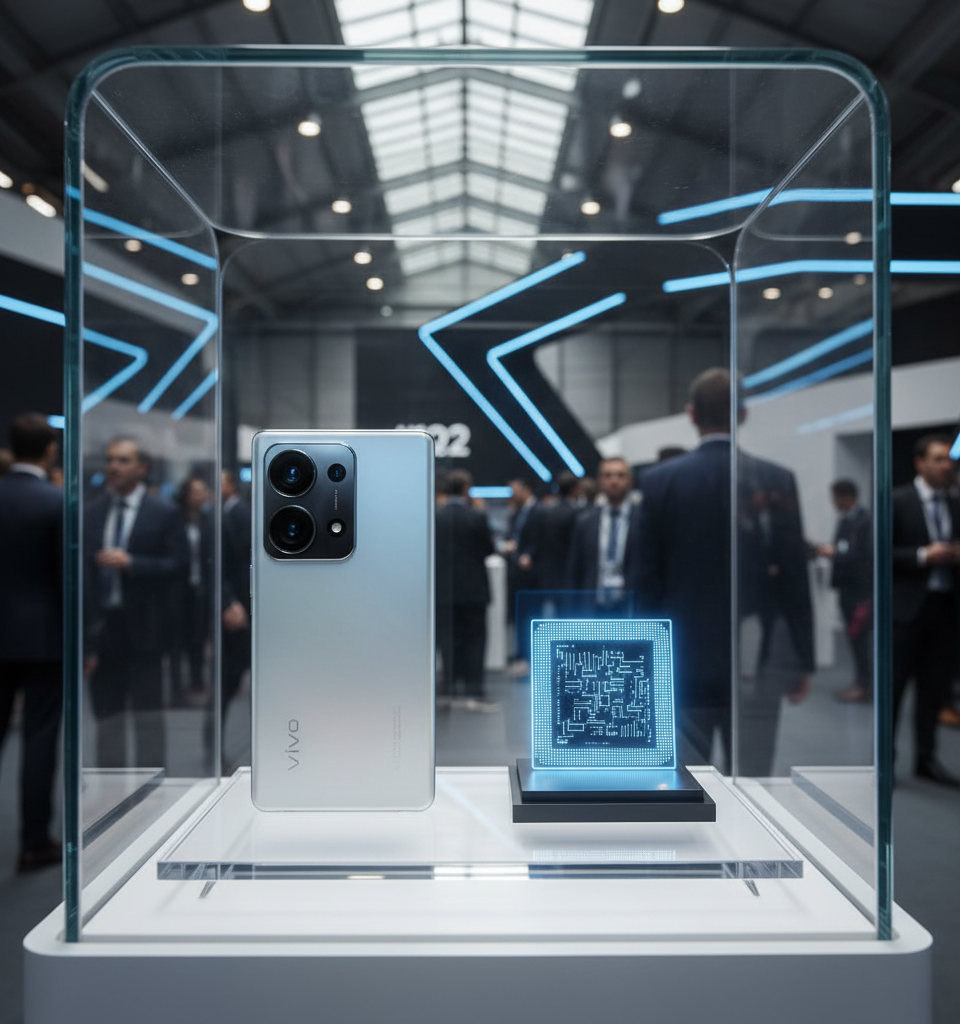
Today, vivo officially confirmed that its highly anticipated X500 Pro series, including both the X500 Pro and X500 Pro Max models, will be equipped with a next-generation 2nm MediaTek Dimensity chipset. This revelation marks a significant step in the company's strategy for its flagship smartphone lineup, following earlier details released concerning the camera functionalities of the X500 Pro Max. While the specific model name of the Dimensity chipset remains undisclosed, vivo has emphasized its reliance on TSMC's advanced manufacturing capabilities.
Technological Leap with TSMC's N2P Process
The confirmed 2nm MediaTek Dimensity chipset is slated to be fabricated using TSMC's second-generation N2P process. This manufacturing node represents a substantial technological advancement in semiconductor production, promising enhanced performance and improved power efficiency compared to preceding generations. The chipset is also noted to feature an all-new GPU architecture, suggesting a significant upgrade in graphical processing capabilities for the X500 Pro series devices. Such an upgrade is crucial for handling demanding applications, high-resolution gaming, and advanced computational photography.
Context in Smartphone Innovation
vivo's decision to integrate a 2nm MediaTek chipset underscores a broader industry trend towards increasingly powerful and efficient mobile processors. As smartphone capabilities expand to include more sophisticated AI tasks, advanced imaging, and seamless multitasking, the underlying chipset becomes a critical differentiator. The X500 Pro series is positioned to leverage this cutting-edge silicon to deliver a premium user experience, building upon vivo's established reputation for innovation, particularly in mobile photography.
Competitive Landscape and Market Impact
This announcement is likely to intensify competition within the high-end smartphone segment. By opting for MediaTek's latest 2nm offering, vivo is not only signaling a commitment to peak performance but also potentially diversifying its supply chain strategy. The adoption of such an advanced MediaTek chip could strengthen MediaTek's position in the premium market, challenging the dominance of competitors. For consumers, this translates to potentially faster devices with longer battery life and enhanced multimedia capabilities, pushing the boundaries of what is expected from flagship smartphones.
Future Implications for vivo and MediaTek
The integration of a 2nm MediaTek Dimensity chipset positions the vivo X500 Pro series as a key contender in the upcoming generation of premium smartphones. For vivo, this could solidify its market share in the high-end segment and enhance brand perception as an innovator. For MediaTek, securing a design win in vivo's flagship series with a 2nm process chipset would represent a significant milestone, showcasing its ability to compete at the very top tier of mobile silicon development. Industry watchers will be observing how this strategic partnership performs in the market and its influence on future collaborations and technological roadmaps.