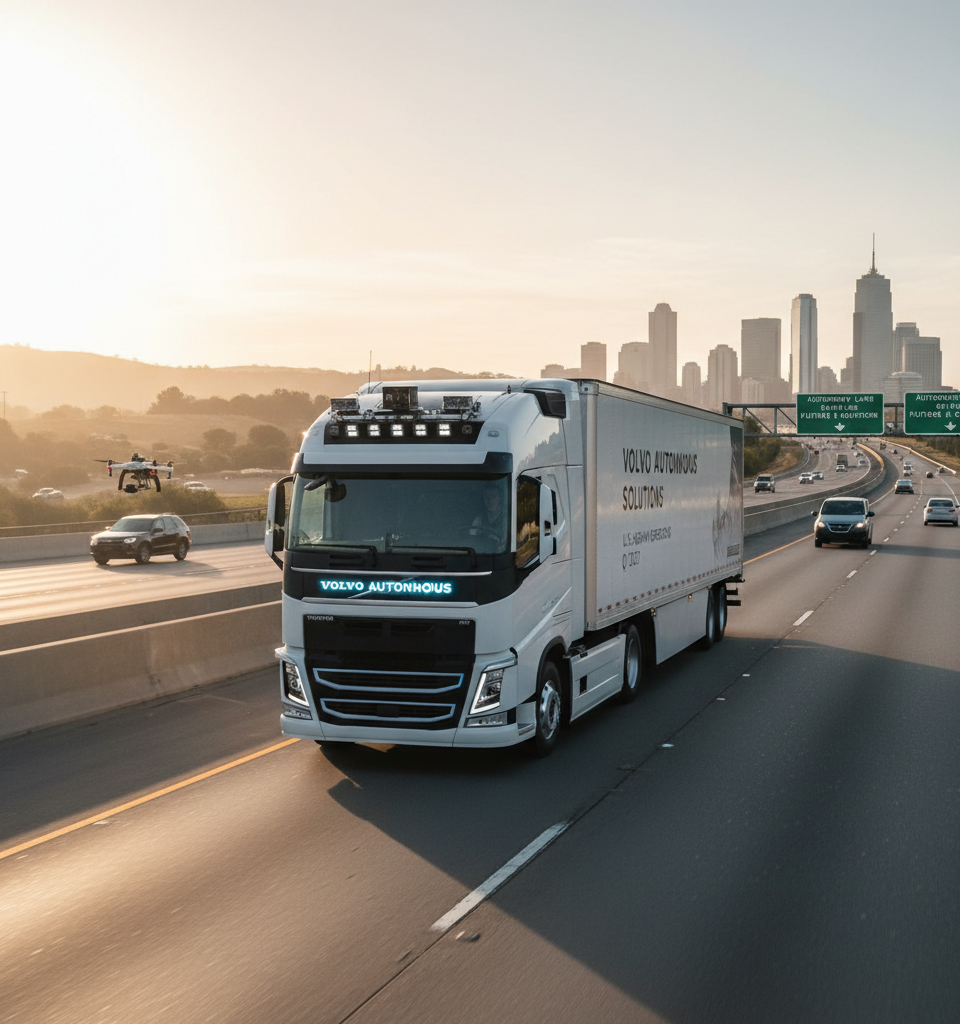
Volvo Autonomous Solutions (VAS) is set to embark on a significant strategic shift, planning to remove safety drivers from its autonomous trucks operating on U.S. highways by the first quarter of 2027. This pivotal move signifies a major step towards widespread commercial deployment of autonomous trucking technology, with the company projecting substantial growth and revenue generation in its initial phase.
The initiative underscores a growing trend within the logistics and transportation sectors towards leveraging advanced autonomous capabilities to enhance efficiency, safety, and operational scalability. While autonomous driving has been a subject of extensive research and pilot programs for years, Volvo's definitive timeline for driverless operations on public roads marks a critical inflection point for the industry.
Strategic Deployment and Financial Projections
VAS has outlined an aggressive deployment strategy, aiming to have more than 300 autonomous trucks in operation by the close of 2027. This rapid scaling is coupled with an ambitious financial target: the company anticipates generating nearly $3 billion in revenue from these operations within the same timeframe. These figures highlight the significant economic potential that Volvo and its stakeholders envision for a fully autonomous logistics network.
The transition to driverless operations represents the culmination of extensive testing, technological development, and regulatory navigation. The removal of safety drivers, often a requirement during initial testing phases, signifies a level of confidence in the maturity and reliability of Volvo's autonomous driving systems. This move is expected to dramatically alter the cost structure of long-haul trucking, potentially leading to increased freight efficiency and reduced operational expenses.
Industry Impact and Competitive Landscape
Volvo Autonomous Solutions' bold timeline places it at the forefront of the autonomous trucking industry, setting a clear benchmark for competitors. The shift to driverless operations is expected to catalyze further investment and innovation across the sector, as other players strive to match or exceed this level of deployment. The implications extend beyond technology, potentially reshaping the labor market for truck drivers and necessitating new regulatory frameworks for autonomous vehicles operating at scale.
The broader logistics and supply chain sectors are keenly observing these developments. The promise of 24/7 operations, optimized routes, and reduced human error could lead to a fundamental re-engineering of freight movement, offering greater predictability and speed in goods delivery. However, challenges related to infrastructure readiness, public perception, and robust cybersecurity measures will undoubtedly need continuous addressing as these technologies integrate more deeply into everyday commerce.
Future Outlook and Regulatory Considerations
The planned Q1 2027 launch will likely serve as a critical case study for regulatory bodies both in the United States and internationally. The success of Volvo's driverless operations could accelerate the development of standardized guidelines and certifications for autonomous commercial vehicles. As the fleet expands beyond 300 units and revenue targets near $3 billion, the data collected from these operations will be invaluable in validating the safety and economic viability of driverless trucking.
While Volvo Autonomous Solutions has declared its intentions, the path forward will involve ongoing collaboration with federal and state authorities, ensuring that safety remains paramount as these advanced systems begin to operate without human intervention on public highways. This initiative represents not just a technological advancement, but a significant societal and economic transformation in the movement of goods.