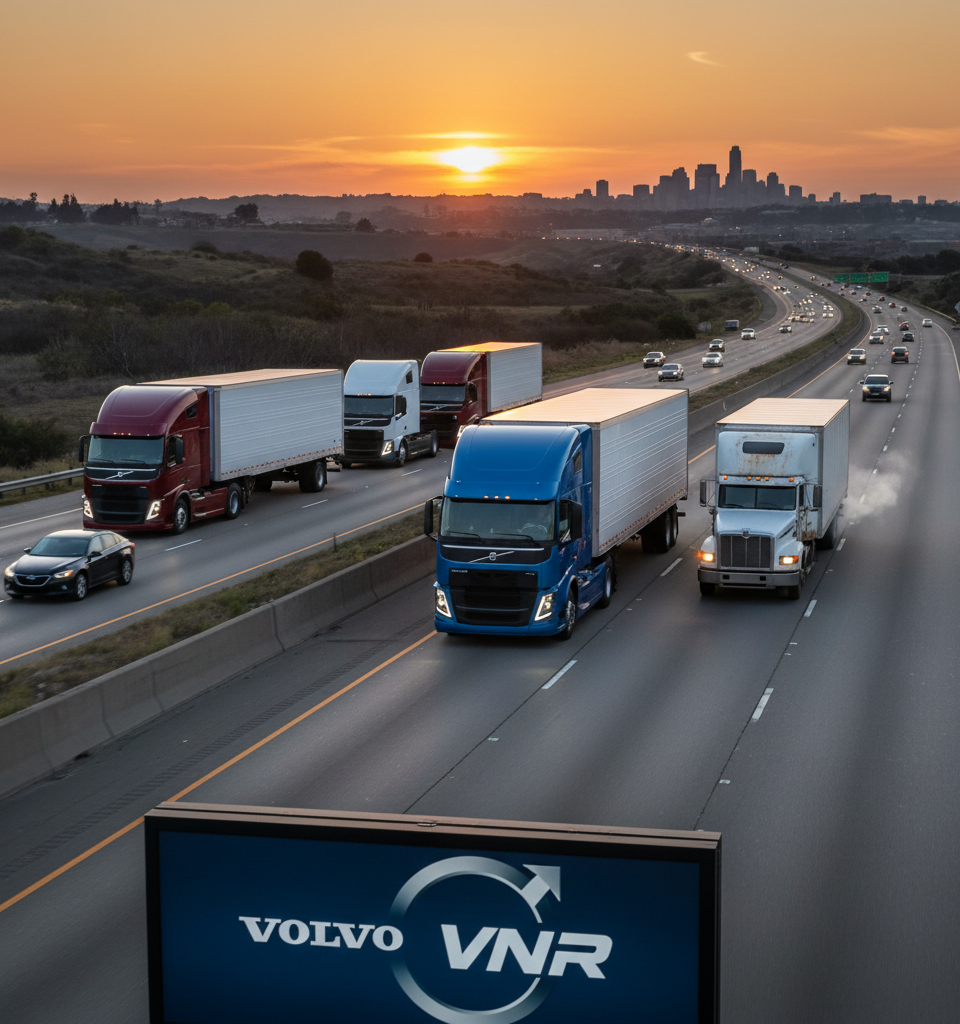
GREENSBORO, NC – October 26, 2023 – Volvo Trucks North America has officially unveiled its latest iteration of the VNR regional haul tractor, a strategic move designed to address the pressing needs of American trucking fleets amidst a confluence of challenging market conditions. The launch comes as the average age of U.S. Class 8 tractors approaches an alarming seven-year mark, a critical juncture for operational efficiency and sustainability within the logistics sector. The new VNR, boasting significant advancements in fuel efficiency and integrated safety features, positions Volvo as a key player in assisting carriers navigating record-high diesel prices and an urgent need for fleet modernization.
This introduction is not merely a product refresh but a calculated response to fundamental shifts in the North American trucking landscape. The aging of the U.S. tractor fleet to an average of seven years signifies a deferred replacement cycle, driven by factors such as supply chain disruptions, escalating acquisition costs, and economic uncertainties over the past few years. Historically, a younger fleet correlates with higher reliability and lower maintenance expenses. Compounding this issue are the soaring prices of diesel fuel, which have frequently hit record highs, directly impacting the profitability and financial viability of trucking companies, ranging from large enterprises to independent owner-operators.
The core of Volvo’s new VNR offering lies in its enhanced operational economics and reinforced commitment to driver and road safety. The truck is engineered to deliver a crucial 7.5% improvement in fuel efficiency compared to its predecessors. This substantial gain is achieved through a combination of aerodynamic refinements, powertrain optimizations, and advanced engine management systems. Furthermore, Volvo has standardized many advanced safety features across the VNR lineup, including enhanced collision mitigation systems, lane departure warnings, and adaptive cruise control. These features are designed to mitigate accident risks, reduce insurance premiums, and protect drivers and cargo, a paramount concern in an industry facing persistent driver shortages.
From a broad industry perspective, the introduction of advanced, fuel-efficient models like the new VNR can catalyze a much-needed modernization wave. The operational costs associated with older, less efficient trucks are becoming unsustainable, particularly in a high-fuel-cost environment. Fleets that adopt these newer technologies stand to gain a competitive edge through reduced per-mile operating costs, lower emissions, and improved uptime. This could put pressure on competitors to accelerate their own research and development into similar advanced features, potentially leading to a broader industry-wide uplift in fuel efficiency and safety standards.
Industry analysts are keenly observing Volvo’s strategy. John Smith, a senior analyst at Transport Intelligence Group, commented, “Volvo’s timing is impeccable. Carriers are facing a perfect storm of high fuel costs, an aging fleet, and increasing regulatory pressure for environmental performance. A 7.5% fuel efficiency gain is not just incremental; it can translate into tens of thousands of dollars in annual savings per truck for high-mileage operations, significantly improving a fleet’s bottom line. The standardization of safety features also sets a new benchmark, potentially influencing future regulatory requirements and insurance underwriting practices.” He added that the total cost of ownership (TCO) will be the ultimate determinant of the VNR's success.
Looking ahead, the market reception of the new VNR will offer insights into the willingness of U.S. fleets to invest in capital equipment during uncertain economic times. Should the VNR prove successful in demonstrating its promised efficiencies and safety benefits in real-world scenarios, it could stimulate a much-awaited fleet renewal cycle across the industry. This could also accelerate the adoption of other advanced telematics and predictive maintenance technologies that integrate seamlessly with modern truck platforms. Furthermore, Volvo's continued focus on regional haul segment efficiency may hint at future innovations targeting electrification within this specific application, as the industry gradually transitions towards a more sustainable future.
The launch underscores a critical juncture for the U.S. trucking industry. As fuel prices remain volatile and demand for freight continues to fluctuate, the imperative for operational efficiency and enhanced safety has never been greater. Volvo’s latest VNR model aims to be a cornerstone in helping fleets navigate these complexities, offering a blend of economic advantage and driver protection in an increasingly challenging environment.