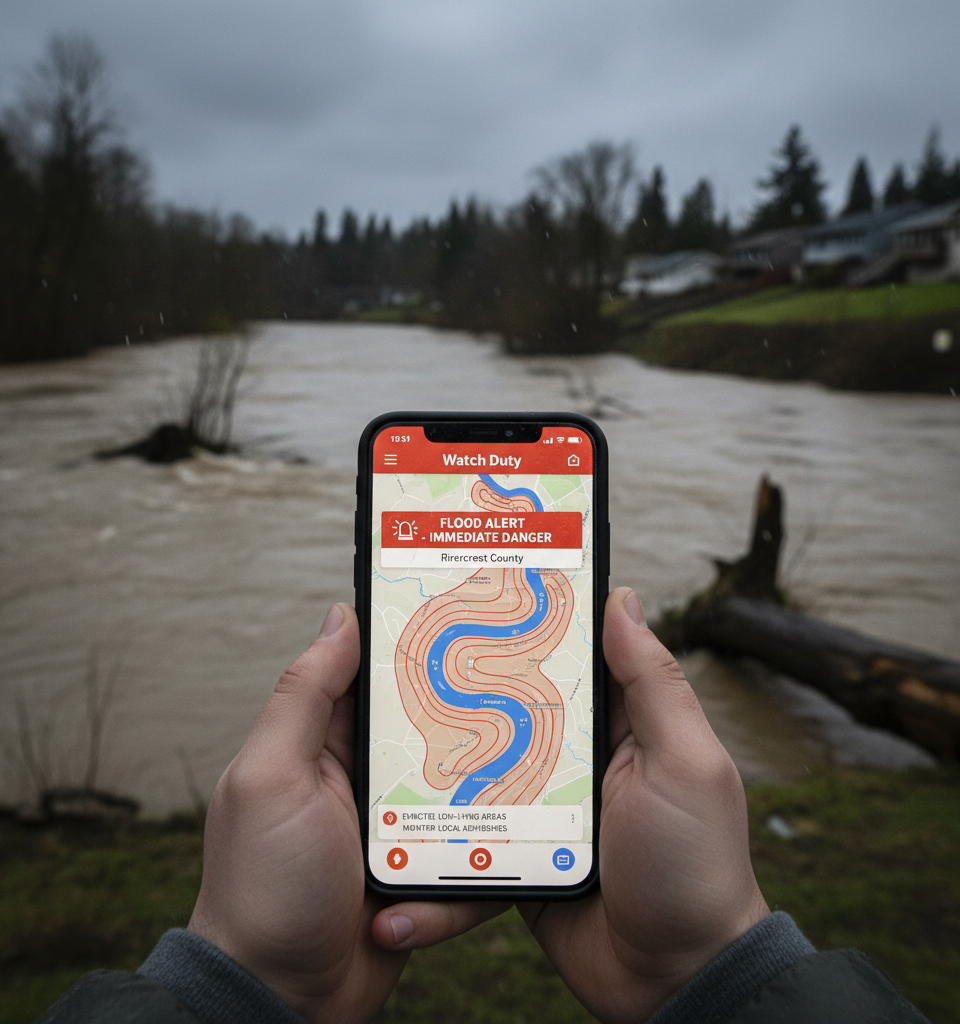
Watch Duty, a prominent application known for its real-time wildfire tracking, is poised to broaden its scope by adding flood alerts, according to a recent announcement. This strategic enhancement represents the initial foray into monitoring additional natural disasters, signaling a significant evolution for the platform that has become an essential tool for communities susceptible to wildfires. The integration of flood monitoring capabilities is the first new alert type to be introduced, with the company indicating that further disaster categories are in the pipeline.
The decision to incorporate flood alerts builds upon Watch Duty's established success in delivering timely and crucial information during wildfire events. The app's user base, often residing in areas affected by natural calamities, has long relied on its precision and immediacy. Expanding into flood monitoring addresses another critical need, particularly as climate change contributes to more extreme weather patterns globally. The move positions Watch Duty as a more comprehensive natural disaster preparedness and response tool, moving beyond its initial specialization.
Enhancing Public Safety Through Expanded Coverage
For communities living in areas prone to both wildfires and floods – often geographically overlapping regions – the consolidation of these alerts into a single platform offers substantial benefits. Users will no longer need to consult multiple applications or sources for critical, immediate hazard information. This centralization of data streamlines the process of staying informed, potentially reducing response times and improving public safety outcomes. The developers behind Watch Duty have emphasized their commitment to maintaining the same level of accuracy and speed with flood alerts as they have with their wildfire tracking system.
The technical integration of flood data will involve leveraging various authoritative sources, potentially including government agencies like the National Weather Service, local hydrological stations, and crowd-sourced information, similar to their existing model for wildfire data. This multi-source approach is crucial for providing comprehensive and reliable alerts, especially given the localized and rapidly changing nature of flood events. The platform is expected to display flood zones, water level updates, and potential evacuation advisories, mirroring the detailed information provided for wildfires.
Broader Implications for Disaster Preparedness Technology
This expansion by Watch Duty reflects a growing trend in disaster preparedness technology towards more integrated and multi-hazard warning systems. Traditionally, different types of natural disasters have been tracked and communicated through separate channels. However, the increasing frequency and intensity of compound disasters – where one event exacerbates another, such as post-wildfire mudslides – necessitate a more holistic approach. Watch Duty’s move could catalyze other emergency alert platforms to consider similar integrations, fostering a more interconnected ecosystem of disaster information.
The market for disaster preparedness technology is experiencing significant growth, driven by both technological advancements and the urgent need for effective warning systems in the face of climate change. Companies that can offer robust, reliable, and multi-faceted solutions are likely to capture substantial market share. Watch Duty’s strategic pivot towards a more comprehensive disaster monitoring service positions it favorably within this evolving landscape, potentially attracting new user segments and solidifying its leadership in community-level alerting.
The Roadmap Ahead
Looking forward, Watch Duty's commitment to adding "many more" disaster alerts suggests an ambitious roadmap for the application. While specific details on future alert types have not yet been disclosed, potential additions could include earthquake warnings, severe weather alerts (e.g., tornadoes, hurricanes), or even hazardous material incidents. Each new integration will require careful vetting of data sources and meticulous UI/UX design to ensure clarity and usability under stressful conditions.
The success of these future integrations will largely depend on Watch Duty's ability to maintain its high standards for data accuracy, timely dissemination, and user-friendly interface. The initial rollout of flood alerts will serve as a crucial test case for this broader expansion strategy. User feedback from this first new disaster category will undoubtedly inform future development cycles, guiding the platform towards becoming a truly all-encompassing tool for natural disaster information and preparedness.