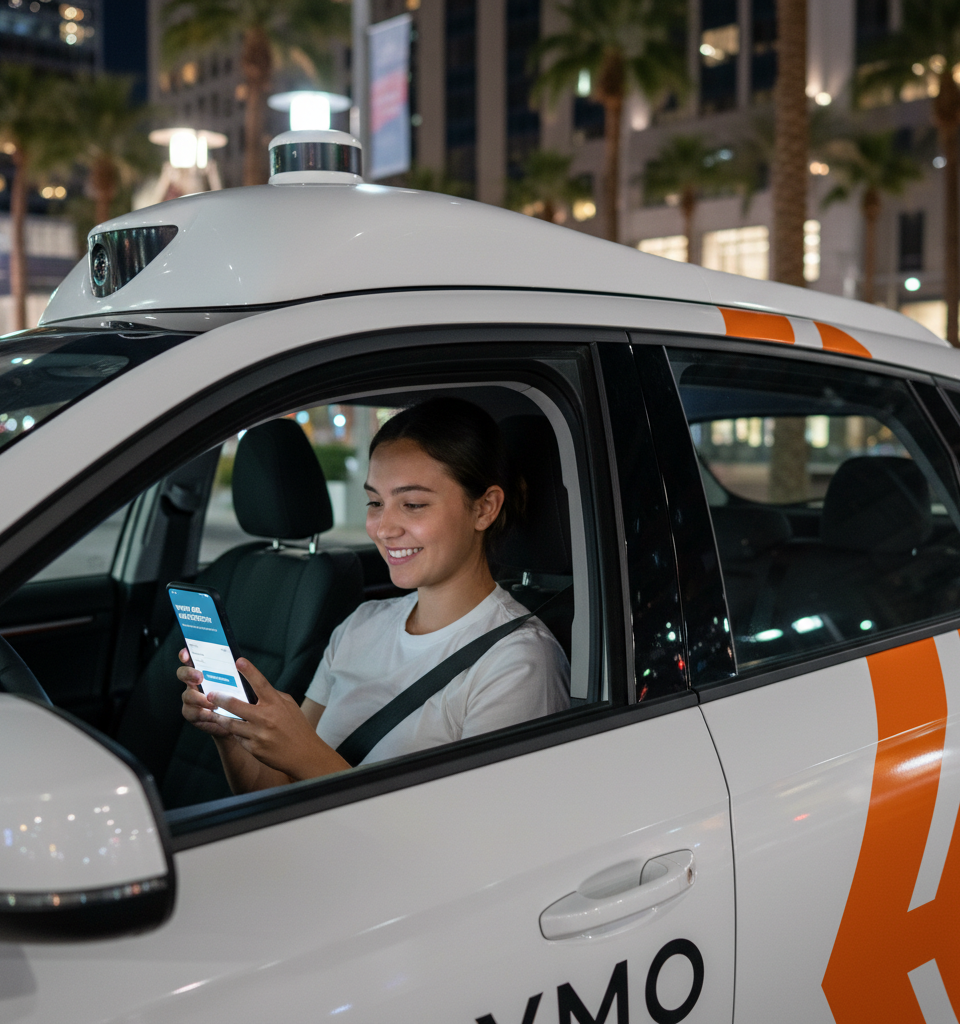
Waymo, Alphabet's self-driving technology unit, is actively deploying enhanced age verification measures within its ride-hailing app, specifically targeting unauthorized solo travel by minors. The initiative, confirmed by adult users encountering new age-related prompts, underscores Waymo's commitment to refining its operational framework in regions where its terms of service prohibit unaccompanied children. This development comes as the company continues to expand its fully autonomous services in cities like Phoenix, Arizona, and San Francisco, California, navigating complex regulatory and safety considerations inherent in nascent driverless transportation.
This policy refinement by Waymo is crucial for maintaining public trust and adhering to stringent liability standards within the burgeoning autonomous vehicle sector. Unlike traditional taxis or ride-sharing services where a human driver can assess a passenger's age, driverless systems face a unique challenge in verifying identities. Waymo's current terms of service explicitly state that riders must be 18 years or older, or accompanied by an adult, a common stipulation across most ride-hailing platforms. The increasing frequency of reports detailing instances of minors attempting to use the service alone highlights a critical operational gap that the company is now proactively addressing to prevent potential safety risks and legal ramifications.
Implementation Details and User Experience
Recent updates to the Waymo app have introduced pop-up notifications and mandatory confirmations requiring users to affirm they are 18 years of age or older before booking a ride. While the exact scope and enforcement mechanisms of these new checks are still being clarified by Waymo, the company has publicly stated it is continually "refining" its systems to ensure compliance. Sources close to the company indicate that these checks are designed to be dynamic, potentially appearing at various stages of the booking process or even post-trip, based on algorithmic triggers or user profiles.
This iterative approach suggests an ongoing commitment to strengthening safeguards without unnecessarily burdening adult users. The ultimate goal is to create a robust system that effectively deters unauthorized solo rides by minors while maintaining a seamless experience for legitimate adult passengers.
Broader Industry Implications
Waymo's proactive stance on age verification could set a precedent for the entire autonomous ride-hailing industry. As other players like Cruise (General Motors' AV unit) and future entrants scale up their operations, they are likely to confront similar challenges regarding passenger demographic control. The public perception of autonomous vehicles, particularly concerning the safety of vulnerable populations, is paramount. Incidents involving minors could severely impact public confidence and trigger heightened regulatory scrutiny, potentially slowing down the broader adoption of this transformative technology. By addressing this issue head-on, Waymo is demonstrating leadership in operational responsibility, which could serve as a valuable blueprint for others in the sector.
Expert Insights and Analysis
Industry analysts view Waymo's actions as a necessary and prudent step. Sarah Miller, a senior analyst at TechVision Research, commented, "The autonomous vehicle industry is under immense pressure to prove its safety credentials. Implementing robust age verification isn't just about compliance; it's about building foundational trust. Early and effective mitigation of potential risks, like unaccompanied minors, is critical for long-term viability and public acceptance." She further noted that the technical challenge lies in balancing security with user convenience, suggesting that future iterations might involve more sophisticated identity verification methods, potentially leveraging biometric data or secure digital IDs, though current privacy concerns make such implementations complex for broad rollout.
The Road Ahead: Future Developments
Looking forward, Waymo is expected to continue iterating on its age verification systems, incorporating user feedback and evolving technological capabilities. This could include exploring partnerships with third-party identity verification services or integrating more sophisticated in-car monitoring systems, adhering strictly to privacy regulations. The company's expansion plans, which include extending its fully autonomous services to further areas within San Francisco and potentially new cities, will undoubtedly test the scalability and effectiveness of these policies. Continuous public education campaigns will also be vital to ensure that riders understand the rules and responsibilities associated with using autonomous transport, fostering a safer and more compliant ecosystem for driverless mobility.