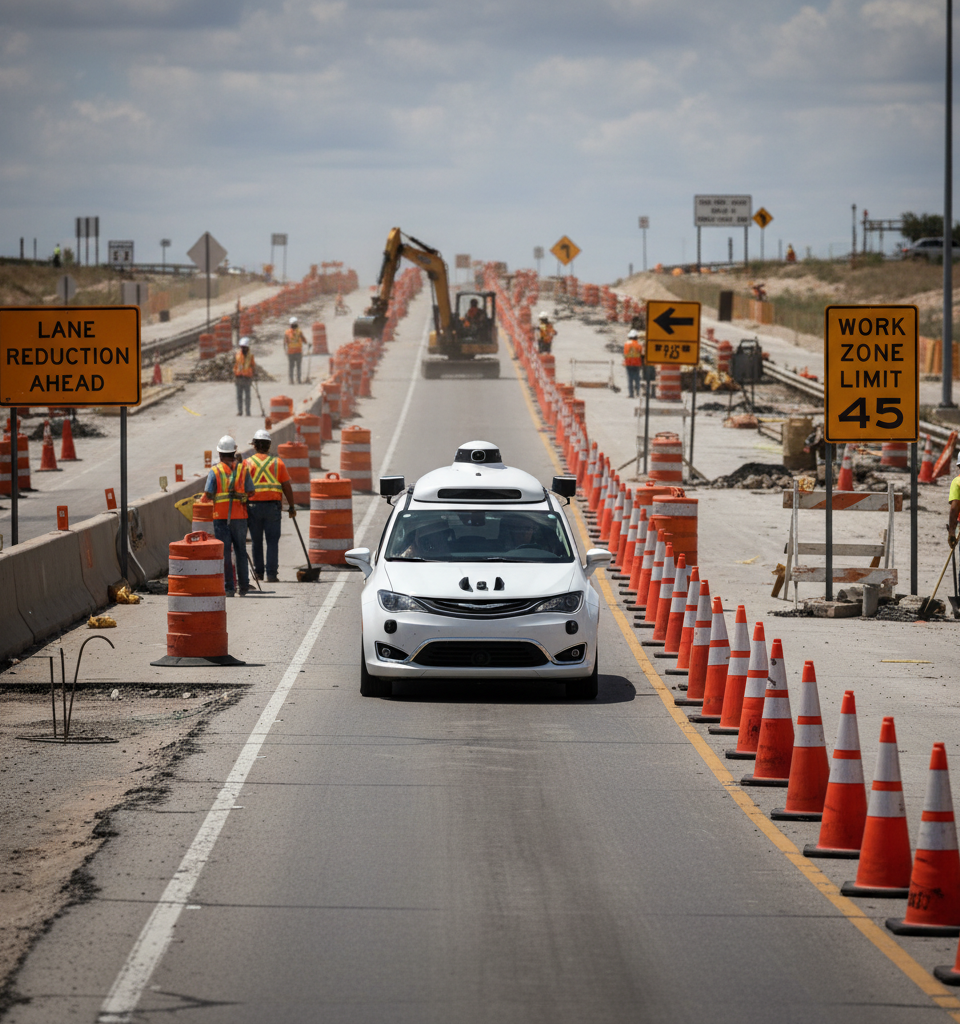
Waymo, Alphabet's self-driving unit, has issued a significant recall affecting 3,871 of its autonomous vehicles, citing potential issues with how its robotaxis perceive and react to dynamic conditions within highway construction zones. The recall, announced today, centers on a software flaw that could lead to these vehicles making improper operational choices when encountering such complex and rapidly changing road environments.
This latest recall underscores the persistent challenges faced by the autonomous vehicle industry in achieving robust and unfailing reliability across all driving scenarios. Highway construction zones, characterized by shifting lane configurations, temporary barriers, human flaggers, and unexpected obstacles, represent one of the most formidable tests for self-driving systems. The ability of autonomous vehicles to safely and predictably navigate these environments is crucial for broader public acceptance and regulatory approval.
Specifics of the Recall
The recall specifically targets a software component responsible for decision-making in what Waymo has identified as highway construction zone contexts. While the company has not publicly detailed specific instances of incidents leading to the recall, the proactive measure suggests a recognition of a critical algorithmic vulnerability. The 3,871 vehicles involved represent a substantial portion of Waymo's operational fleet, highlighting the widespread nature of the software issue. The company is expected to implement a software update to address the identified flaw, which will be rolled out to all affected vehicles.
Broader Industry Implications
This recall is not an isolated event but rather indicative of the iterative development process inherent in advanced autonomous technology. The self-driving industry has witnessed several such recalls and safety interventions as companies refine their algorithms and sensor suites. For instance, competitors in the autonomous driving space have also faced scrutiny over their vehicles' performance in various challenging conditions, from adverse weather to unpredictable human behavior. Each recall, while disruptive, provides valuable data and insights that theoretically contribute to improved safety protocols and more resilient AI driving systems.
Navigating Regulatory Scrutiny
Regulatory bodies, particularly in the United States, are keenly observing these developments. The National Highway Traffic Safety Administration (NHTSA) has been increasingly active in investigating and overseeing autonomous vehicle safety. This Waymo recall will likely be closely monitored by regulators, who prioritize the safety of the public as these advanced technologies become more prevalent on public roads. The outcome of such recalls and the efficacy of implemented solutions could influence future regulatory frameworks and deployment speeds for autonomous fleets.
The Path Forward for Waymo
For Waymo, a pioneer in the autonomous driving sector with significant operational experience in cities like Phoenix and San Francisco, this recall represents another hurdle in its ambitious journey towards widespread commercialization. The company has consistently emphasized its commitment to safety and methodical deployment. Addressing this issue efficiently and transparently will be crucial for maintaining public trust and demonstrating the robustness of its technology. The software update is anticipated to enhance the vehicles' ability to detect, predict, and safely react to the dynamic and often chaotic nature of highway construction zones. As the company continues to expand its service areas and capabilities, perfecting these niche but critical driving scenarios will be paramount to its long-term success and the broader acceptance of fully autonomous driving.