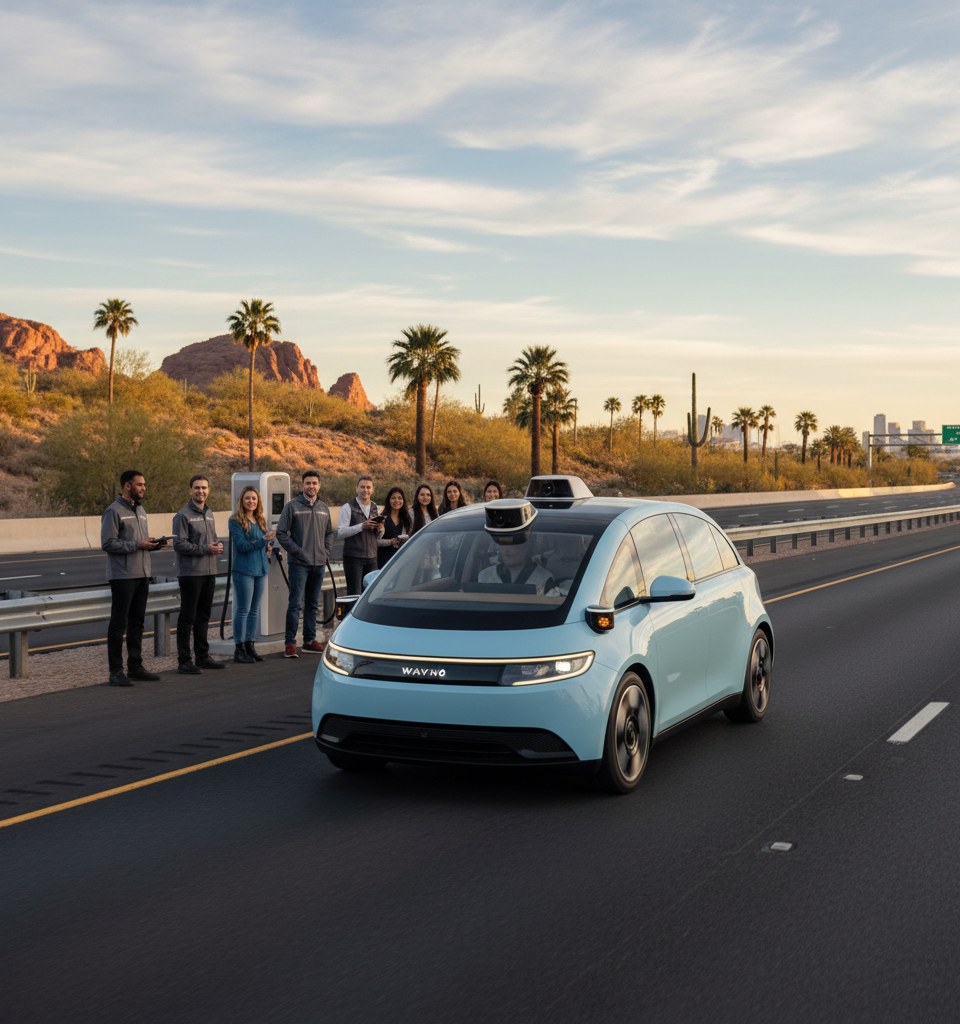
Waymo, a leader in autonomous driving technology, is preparing for the imminent public debut of its new, Chinese-made robotaxis, dubbed “Ojai.” These distinctive pale-blue vehicles are slated to begin ferrying members of the public in select areas of California and Arizona within the next several weeks, signaling an important expansion of Waymo's operational footprint and a notable development in the autonomous vehicle industry.
Strategic Expansion and Manufacturing Origins
The introduction of the Ojai fleet represents a strategic move by Waymo to scale its robotaxi services. The decision to manufacture these vehicles in China underscores the complex global supply chains that underpin advanced technological industries. While specific details about the manufacturing partners or facilities were not immediately available, the revelation points to a deliberate choice aimed at leveraging international production capabilities to meet the growing demand for autonomous transportation. This approach could offer advantages in terms of production efficiency or cost, which are crucial for the widespread adoption of robotaxi services.
Implications for the Autonomous Vehicle Market
This deployment is poised to have a ripple effect across the autonomous vehicle (AV) market. As one of the pioneers in the self-driving space, Waymo's operational scaling with the Ojai vehicles will likely further solidify its position as a frontrunner. The entry of more robotaxis into public service areas in California and Arizona will provide critical real-world data and user feedback, which are invaluable for refining autonomous driving systems. Furthermore, the visible presence of these new vehicles could influence public perception and acceptance of self-driving technology, potentially accelerating its integration into daily life.
Passenger Experience and Technology Integration
While the primary focus is on the vehicle's autonomous capabilities, the “Ojai” series is expected to integrate Waymo’s latest advancements in AI and sensor technology, designed to ensure a safe and comfortable passenger experience. The pale-blue aesthetic of the Ojai vehicles departs from some of the more subtly colored autonomous cars, potentially making them more recognizable to the public and distinguishing them in urban environments. The phased rollout, beginning with select members of the public, suggests a controlled introduction to gather initial feedback and ensure operational readiness before a broader launch.
Competitive Landscape and Regulatory Environment
The expansion of Waymo’s fleet comes at a time of intensifying competition within the autonomous vehicle sector. Various companies are vying for market share, each with unique technological approaches and deployment strategies. Waymo's ability to consistently introduce new vehicles and expand its service areas is a key factor in maintaining its competitive edge. Simultaneously, the regulatory environment for autonomous vehicles continues to evolve, with states like California and Arizona often at the forefront of establishing guidelines for self-driving operations. The successful deployment of the Ojai fleet will likely contribute to ongoing discussions and policy development concerning autonomous mobility.
Future Outlook for Robotaxi Services
The rollout of the Ojai robotaxis signals Waymo’s continued commitment to commercializing its autonomous driving technology. As these vehicles begin picking up passengers, insights gained from their operation will be critical for future iterations and broader expansion efforts. The next few weeks will be crucial in observing how the public responds to the new fleet and how the vehicles perform in real-world scenarios. This moment marks another significant step towards a future where autonomous robotaxis could become a routine mode of transportation in major urban centers.