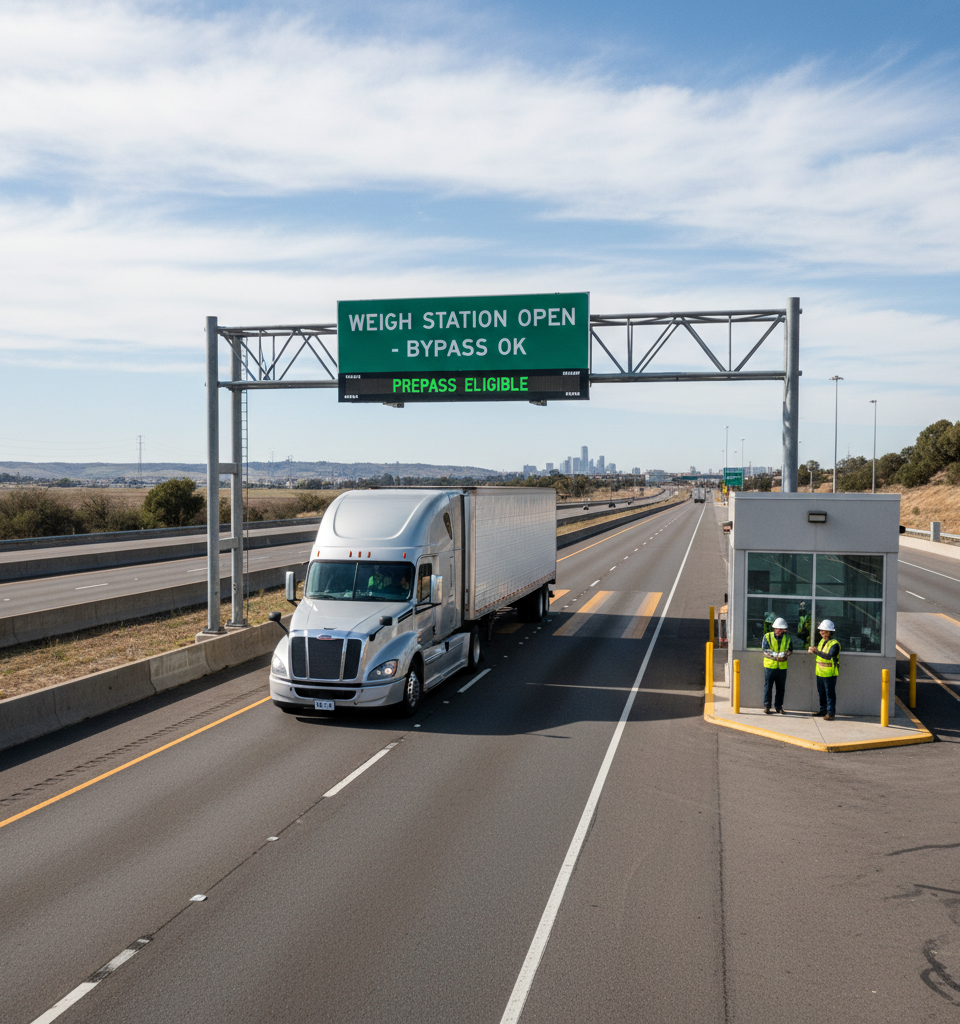
The seemingly minor delay of a weigh station stop, traditionally viewed as an unavoidable nuisance, is now being precisely quantified as a substantial financial drain on commercial trucking fleets. New data indicates that systematic bypass programs, leveraging advanced technology, are delivering concrete, measurable savings in fuel, hours, and overall operating expenses for carriers of all sizes. This shift underscores a fundamental re-evaluation of efficiency metrics within the logistics sector, moving from simple speed to complex predictability and cost optimization.
The Hidden Costs of Delays
Historically, weigh stations have been a necessary bottleneck, ensuring compliance with weight and safety regulations. However, the cumulative impact of these stops—truck deceleration, idling, inspection, and re-acceleration—adds up to considerable operational inefficiencies. Industry analysts estimate that a single weigh station stop can consume anywhere from 10 to 30 minutes of a driver's time. Multiplied across a large fleet making thousands of trips annually, these minutes quickly escalate into hundreds, if not thousands, of lost hours. This translates directly into higher labor costs, reduced asset utilization, and elevated fuel consumption due to disruptive stop-and-go driving patterns. The value proposition of bypass technology lies not in enabling faster driving, but in eliminating these unpredictable and costly interruptions, thereby streamlining the entire logistical chain.
Technology-Driven Predictability
Modern weigh station bypass solutions utilize transponder technology, telematics, and often state-specific pre-clearance systems to allow compliant vehicles to bypass inspection sites legally and safely. These systems typically integrate with a truck's onboard diagnostics and electronic logging devices (ELDs) to transmit real-time data to enforcement agencies, verifying credentials and compliance status before arrival. For example, successful bypass rates often exceed 90% for enrolled fleets, dramatically reducing the frequency of physical stops. This high rate of predictability allows dispatchers to more accurately schedule routes, estimate delivery times, and manage driver hours of service (HOS) regulations more effectively, mitigating the risks of late deliveries and potential penalties.
Tangible Financial Benefits
The financial benefits are substantial and multifaceted. A typical commercial truck consumes approximately 0.5 to 1 gallon of fuel during a weigh station stop due to deceleration, idling, and re-acceleration. For a fleet of 50 trucks making an average of 4-5 such stops per week, this can amount to thousands of gallons of saved fuel annually. At an average diesel price of $4.00 per gallon, annual fuel savings alone can easily reach six figures for larger operations. Beyond fuel, the reduction in driver time directly impacts labor costs. With average driver wages exceeding $25 per hour, saving just 15 minutes per stop across a fleet can yield tens of thousands of dollars in wage efficiency. Furthermore, reduced wear and tear on brakes and engines from avoiding stop-and-start cycles contributes to lower maintenance costs and extended vehicle lifespans.
Broad Impact on Supply Chain Resilience
The widespread adoption of weigh station bypass programs is having a transformative impact on the broader supply chain. By enhancing predictability and reducing transit times, these programs contribute to a more resilient and efficient logistics network. In an era where just-in-time inventory management and rapid delivery are paramount, the ability to minimize unexpected delays at weigh stations provides a critical competitive advantage. This efficiency gain helps to ease congestion on major trucking corridors by allowing compliant vehicles to flow more smoothly, potentially reducing overall environmental impact through decreased idling emissions.
Expert Consensus on ROI
Transportation economists and logistics consultants widely affirm the strong return on investment (ROI) associated with bypass technology. "These systems move beyond simple time-saving; they are about de-risking the supply chain," states Dr. Eleanor Vance, a lead analyst at Global Freight Dynamics. "The cumulative effect of predictability on operational planning, fuel efficiency, and driver retention is profound. We see companies achieving full ROI within 6 to 12 months of implementation, sometimes even faster for high-volume routes." Analysts also highlight the indirect benefits, such as improved driver morale and reduced stress, which can positively impact retention rates in an industry consistently facing driver shortages.
The Road Ahead: Integration and Expansion
The future of weigh station bypass technology points towards greater integration and sophistication. Upcoming developments include enhanced predictive analytics, leveraging AI to forecast potential compliance issues before a vehicle ever approaches a weigh station, further streamlining operations. The expansion of these programs into more states and jurisdictions, alongside greater interoperability between different bypass systems, is also anticipated. As regulations evolve and the demand for efficient, sustainable logistics intensifies, these bypass solutions will continue to be a cornerstone of modern fleet management, providing a clear path from minor delays to major financial gains and operational excellence for transportation companies globally.