Contextualizing WhatsApp's Payments Ambitions in India
India has emerged as one of the world's most dynamic digital payments markets, largely driven by the Unified Payments Interface (UPI) framework. Despite WhatsApp's pervasive presence as the dominant communication platform, its foray into payments, WhatsApp Pay, has struggled to capture substantial market share. Launched after years of regulatory hurdles, WhatsApp Pay has faced stiff competition from established players like PhonePe, Google Pay, and Paytm, all of whom boast significantly higher transaction volumes and user adoption. This new recharge feature is a clear attempt to leverage its immense messaging user base to cross-pollinate into its payment services, offering a practical utility that could drive habitual engagement.
Key Details and Strategic Partnership
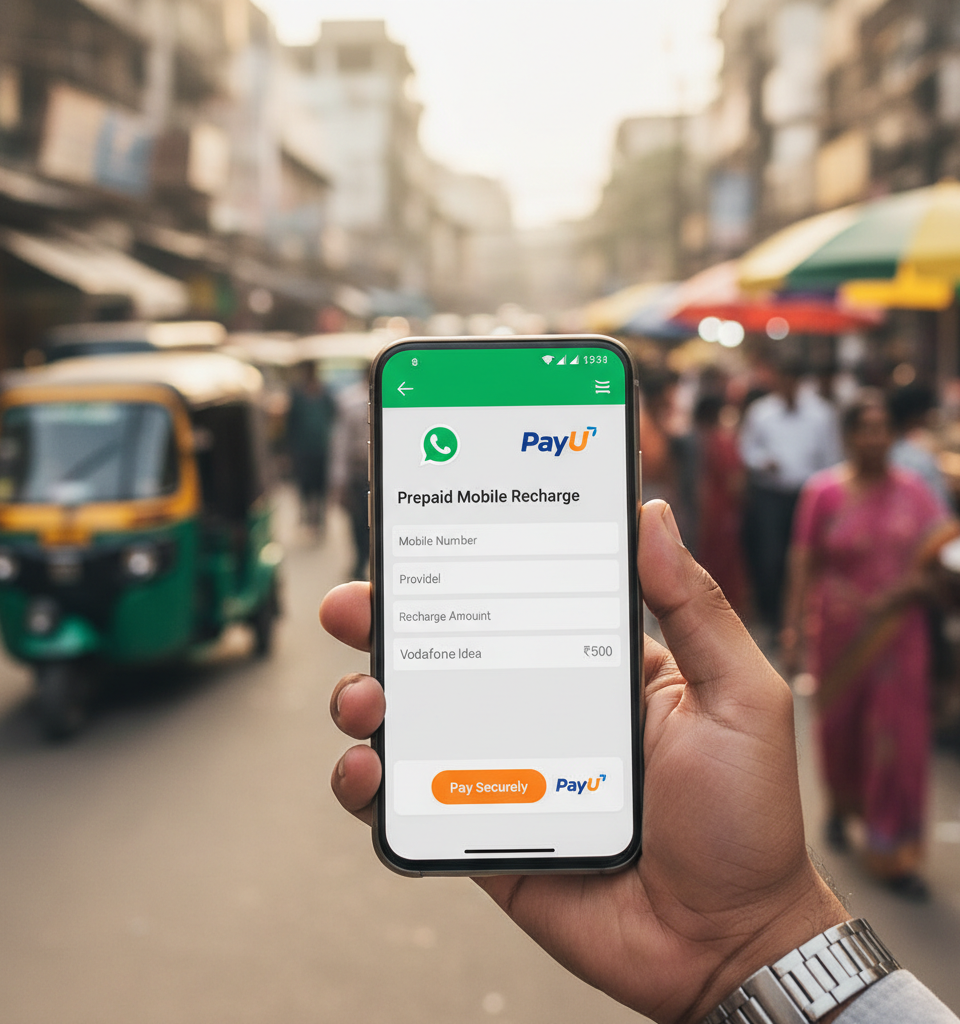
The integration with PayU not only enables seamless prepaid recharges across major Indian telecom operators but also signifies WhatsApp's strategic approach to expanding its payment functionalities. Users can now navigate to a dedicated section within the app, select their operator, enter the amount, and complete the transaction using WhatsApp Pay. While specific financial details of the partnership remain undisclosed, the collaboration with PayU provides WhatsApp with a robust payment gateway and extensive network reach. This move is designed to simplify a common daily transaction for millions of Indians, potentially translating casual users of the messaging app into active users of its payment services. Although the feature has been in testing phases for some time, its official rollout marks a nationwide availability.
Industry Impact and Competitive Landscape
India's digital payments market is a battleground, with UPI driving billions of transactions monthly. As of recent reports, PhonePe and Google Pay collectively dominate over 80% of UPI transactions by volume. While WhatsApp boasts an impressive user count, its UPI transaction market share has remained stubbornly low, often below 1%. The introduction of prepaid recharges, a high-frequency micro-transaction, could be a critical lever to incrementally boost WhatsApp Pay's transaction volume and user stickiness. This move intensifies competition, particularly for platforms that monetize through such everyday services, potentially forcing rivals to innovate further or offer more aggressive incentives.
Expert Analysis on WhatsApp's Strategy
Digital payments analysts suggest that while the mobile recharge feature is a logical and necessary addition, it alone might not be sufficient to significantly alter WhatsApp Pay's market position overnight. "WhatsApp's challenge isn't just about offering services; it's about shifting user behavior and trust established with competitors," notes Radha Sharma, a FinTech consultant based in Mumbai. "The convenience factor is high, but they need to provide compelling reasons beyond just utility – perhaps innovative cashback, unique bundles, or tighter integrations with other e-commerce functionalities to truly sway users." Experts believe this is a foundational step, but more comprehensive strategies are needed to leverage its massive communication network effectively into a dominant payment player.
Future Implications and Potential Developments
Looking ahead, the success of this prepaid recharge initiative will likely dictate WhatsApp's subsequent moves in the Indian payments space. Future developments could include bill payments for electricity, gas, and water, potentially followed by ticketing services for travel and entertainment. Additionally, WhatsApp might explore deeper integrations with local businesses, enabling in-chat commerce and payments, a model that has seen success in other markets like Brazil. The ultimate goal remains to transform WhatsApp from a mere communication tool into a comprehensive digital ecosystem, making it indispensable for daily life in India and capturing a larger slice of the country's burgeoning digital economy.