Global supply chains and agricultural exports will keenly follow the diplomatic signals emanating from Washington as leaders from the world's two largest economies engage. The menu choices themselves can offer insights into the administration's strategic framing of the U.S.-China relationship.
The White House has announced details of the three-course menu planned for the state dinner honoring Chinese President Xi Jinping. This diplomatic event is designed to foster goodwill and dialogue between the two global powers. The culinary selections aim to reflect a balance of cultures and a strategic approach to bilateral relations.
Culinary Diplomacy and Strategic Intent
The choice of menu for such a high-profile event is rarely arbitrary. It often carries symbolic weight, signaling themes the host nation wishes to convey. For this state dinner, the White House has emphasized the use of American-sourced ingredients. This highlights U.S. agricultural strength and domestic production capabilities.
Officials stated that the menu would incorporate a “subtle Chinese influence.” This approach suggests a deliberate effort to acknowledge and honor the visiting delegation's cultural heritage while firmly asserting an American identity. Such culinary diplomacy seeks to bridge cultural divides and create an atmosphere conducive to productive discussions.
Menu Highlights: Sea Bass and Bok Choy
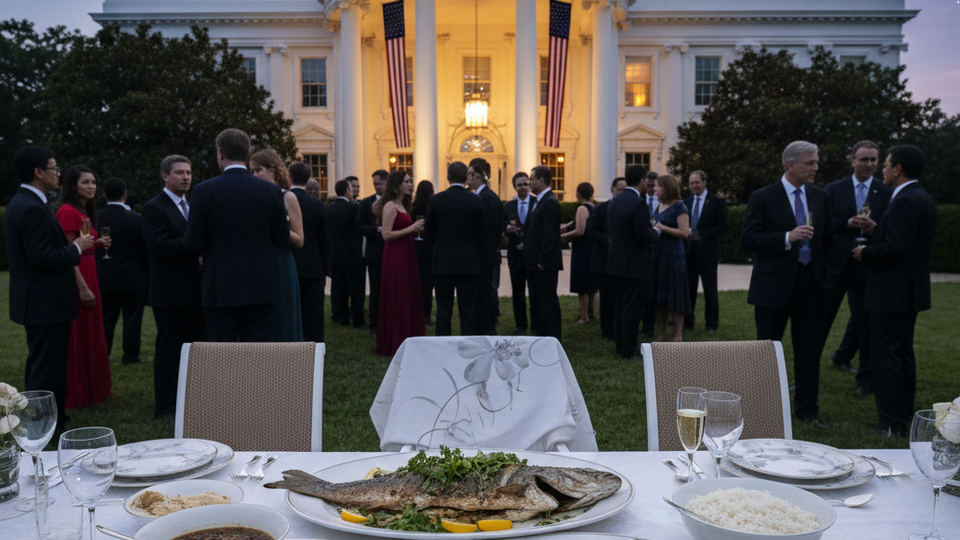
The disclosed menu will feature sea bass as a primary protein. Sea bass is a versatile and widely appreciated fish, often symbolizing quality and refinement in culinary circles. Its inclusion may also subtly nod to maritime themes, relevant given both nations' significant coastlines and interests.
Accompanying the sea bass will be bok choy, a staple in Chinese cuisine. This vegetable's presence is a clear example of the promised “subtle Chinese influence.” Pairing American sea bass with bok choy offers a direct, yet understated, fusion of culinary traditions. This combination provides a tangible representation of cultural exchange.
Implications for Trade and Soft Power
The deliberate emphasis on American ingredients, coupled with Chinese culinary touches, could project a message about mutual respect and the potential for synergistic partnerships. For global business leaders, this dinner represents more than just a meal; it's a carefully orchestrated display of soft power and an indicator of diplomatic priorities.
The selection process for state dinner menus often involves careful consideration of dietary preferences, cultural sensitivities, and political messaging. The White House's transparency regarding these details ahead of the event underscores the importance placed on this diplomatic gathering.
Looking Ahead
Beyond the culinary aspects, the state dinner serves as a critical backdrop for discussions between President Trump and President Xi. While the menu offers a glimpse into the diplomatic tone, the substantive outcomes of their meetings will be the true measure of success. Observers will be watching for any joint statements or agreements following the dinner. These could impact various sectors, from trade and technology to climate policy and regional security.
The specific food choices are a prelude to deeper strategic engagement. They set a symbolic stage for dialogue between two leaders whose decisions significantly shape the global economic and political landscape. The careful blend of American and Chinese elements in the dinner's design reflects the complex, interconnected nature of their bilateral relationship.