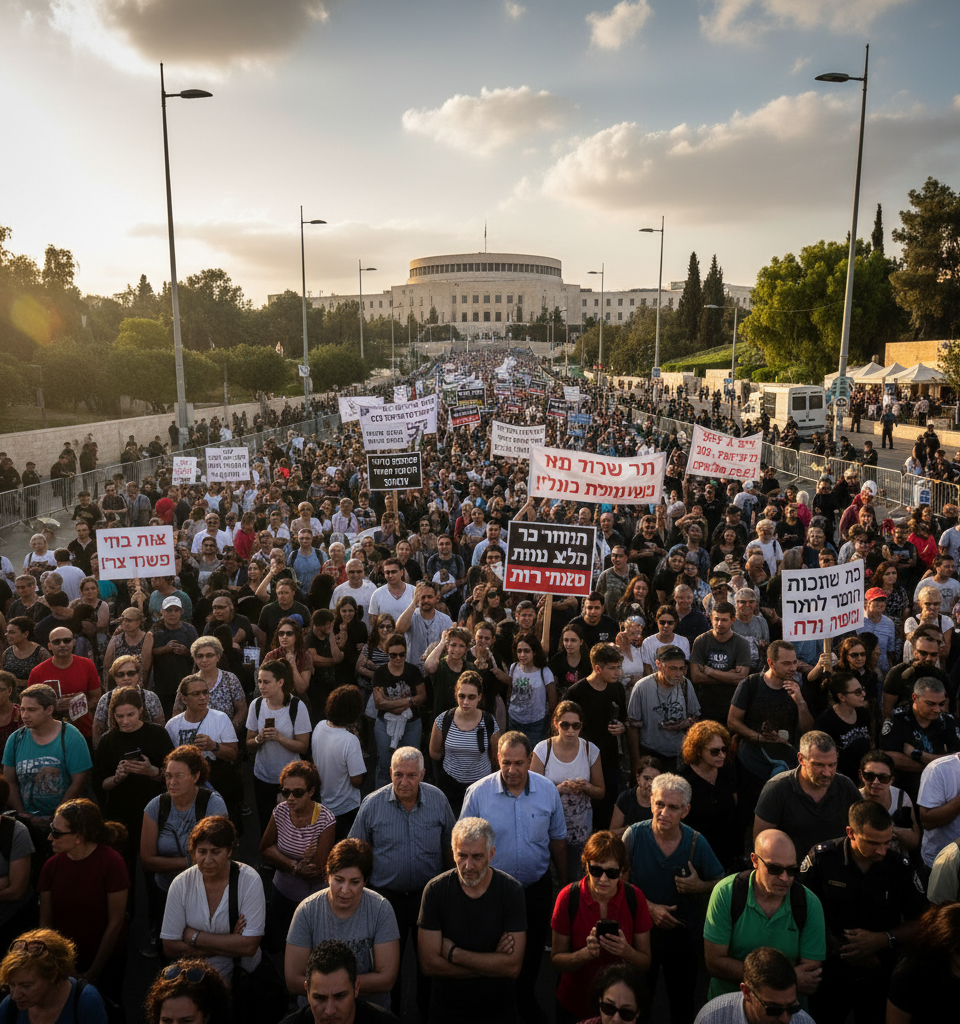
Even before the comprehensive details of a looming international agreement have been made public, a significant wave of discontent is reportedly sweeping across Israel, uniting voices from various points on the political spectrum. The prevailing sentiment is that the prospective deal appears insufficient in addressing the core national security challenges attributed to Iran, leaving many Israelis apprehensive about its long-term implications.
This widespread unease unfolds against a backdrop of decades-long geopolitical tensions between Israel and Iran. Successive Israeli governments have consistently viewed Iran's nuclear ambitions and its regional activities, including support for various non-state actors, as existential threats. Any international accord concerning Iran is thus scrutinized through a lens of profound security risk, with the public and political establishment keenly aware of the historical context of regional instability and conflict. The current discontent underscores a deep-seated apprehension that the potential agreement might not deviate from a pattern of perceived concessions or ineffective measures.
The core of the apprehension stems from the belief that the agreement, sight unseen by the general public, will not dismantle or sufficiently neutralize Iran's capabilities or intentions deemed threatening. While specific elements of the deal remain under wraps, the mere description of it as an “agreement” has triggered a preemptive wave of criticism. This suggests a deep distrust in the current diplomatic processes and a prevailing skepticism that any deal could genuinely safeguard Israeli interests. Without precise clauses or verifiable commitments to analyze, the discontent is fueled by a general perception rather than specific factual rebuttals.
From a regional perspective, the impact of such an agreement, or the lack thereof, could be substantial. Neighboring states and allies often look to the details of international agreements with Iran as indicators of regional stability. A deal perceived as weak or inadequate by Israel could exacerbate existing tensions, potentially leading to increased militarization or shifts in regional alliances. The broader international community, particularly nations involved in brokering the agreement, might face added pressure to justify its efficacy in the face of strong, early criticism from a key regional player.
While specific expert analyses tied to this particular agreement preview are not detailed, historical patterns suggest that security analysts and foreign policy experts often dissect such documents for their enforceability, verification mechanisms, and the extent to which they address underlying ideological or strategic motivations of the involved parties. If the agreement is indeed perceived as leaving fundamental security threats unaddressed, it is likely to face sustained scrutiny from these expert communities, potentially eroding confidence in the diplomatic efforts.
Looking ahead, the immediate future will undoubtedly revolve around the official unveiling of the agreement's complete text. Following this, an intense period of public and political debate is expected within Israel. The government will likely face significant pressure to either justify the deal's provisions or to articulate a credible alternative strategy for addressing Iranian threats. The reactions from both traditional political adversaries and internal coalition partners will be critical in shaping the national discourse surrounding the deal’s perceived effectiveness and its future implementation. The terms of the agreement, once revealed, will serve as the battleground for these ensuing political and security debates, determining future policy directions and regional alignments.