The commercialization of advanced therapeutic technologies offers a critical watchpoint for venture capital and medical device manufacturers assessing market disruption in elective procedures. Companies vying for market share in the multi-billion dollar hair restoration industry must now consider how rapidly these non-invasive solutions could shift consumer preferences and investment priorities, demanding strategic adaptation from traditional players.
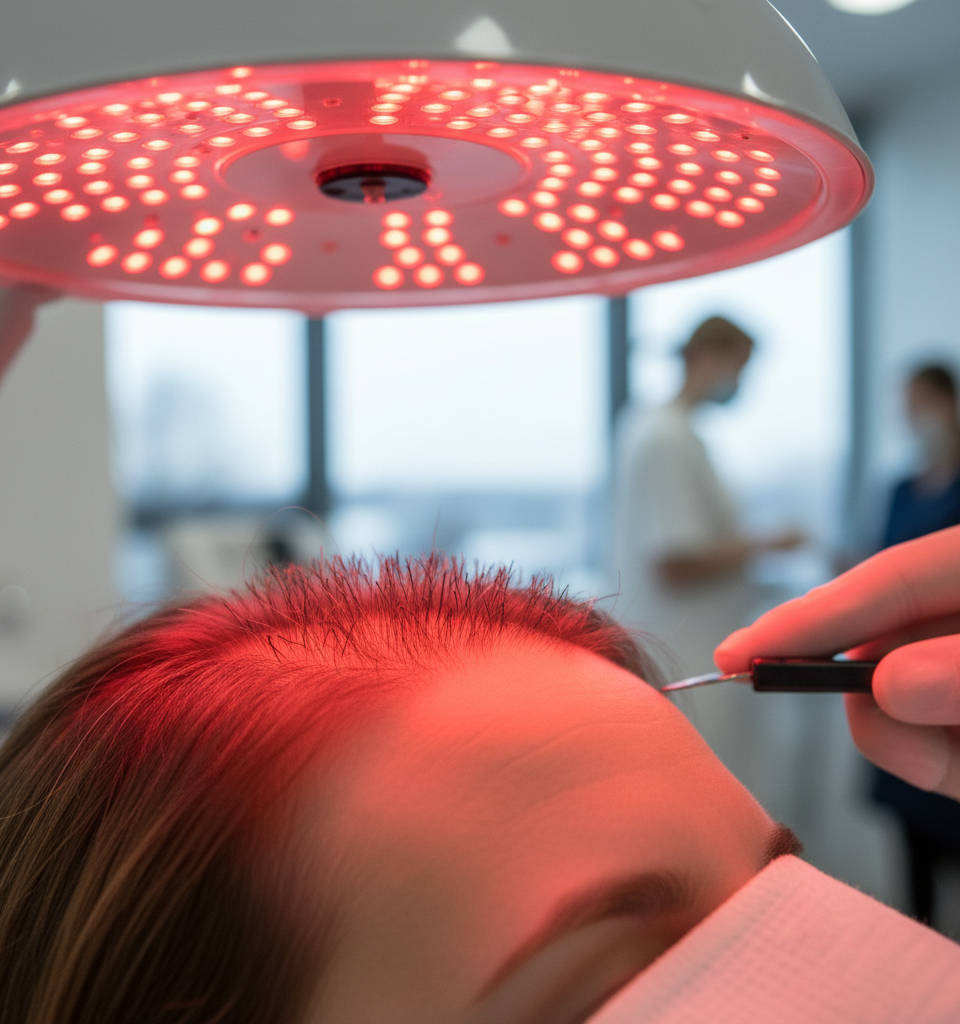
New findings compiled by WIRED testers are signaling a potentially significant advancement in the field of hair restoration, indicating that red-light therapy is emerging as a promising, non-invasive alternative. The report, which outlines user experiences, points to visible hair regrowth among individuals who have utilized these therapies. This development positions red-light therapy as a compelling option for those contemplating more aggressive interventions, such as surgical procedures or prescription medications, in their quest for hair restoration.
Context and Scientific Underpinnings
The pursuit of effective hair restoration has been a long-standing challenge, with solutions ranging from topical applications to complex surgical procedures. Red-light therapy, also known as low-level laser therapy (LLLT), operates on the principle of stimulating cellular activity through specific wavelengths of light. While LLLT has been an area of research for decades, recent technological refinements and increased understanding of its mechanisms appear to be yielding more consistent and noticeable results. This non-thermal photobiomodulation is thought to increase blood flow to hair follicles, reduce inflammation, and stimulate cellular metabolism, thereby encouraging hair growth and improving hair density.
Key Findings from WIRED Testers
The core of the current excitement stems from the evaluations conducted by WIRED testers. Their experiences indicate that contemporary red-light therapy devices are delivering on the promise of hair regeneration. Users reported visible regrowth, a crucial benchmark for the efficacy of any hair restoration treatment. The findings suggest that these advancements are moving the technology beyond speculative claims into the realm of demonstrable results. This tangible outcome is particularly impactful given the often-long and frustrating journey many individuals face when seeking hair loss solutions.
Industry and Market Impact
This development holds substantial implications for the hair restoration market, an industry traditionally dominated by pharmaceutical solutions, topical treatments, and surgical transplants. The emergence of a non-invasive, user-friendly, and seemingly effective red-light therapy could disrupt established segments. Device manufacturers specializing in consumer health technology may see a surge in demand, while clinics offering traditional treatments might need to integrate these newer modalities or face competitive pressure. The appeal of a therapy that avoids the risks and recovery times associated with surgery, or the potential side effects of certain medications, is considerable for a broad consumer base.
Future Implications and What's Next
The positive indicators from WIRED's testing suggest a trajectory of continued innovation and wider adoption for red-light therapy in hair restoration. The industry is likely to witness further investment in research and development to optimize device design, light wavelengths, and treatment protocols. Regulatory bodies may also increase their scrutiny as these devices become more prevalent, ensuring safety and validating efficacy claims through rigorous clinical trials. For consumers, the landscape of hair restoration options is broadening, offering a less invasive entry point into managing hair loss, potentially shifting preferences away from traditional, more drastic measures. Further long-term studies and expanded user trials will be crucial in solidifying red-light therapy's position as a mainstream and highly effective solution for hair growth and restoration in the coming years.