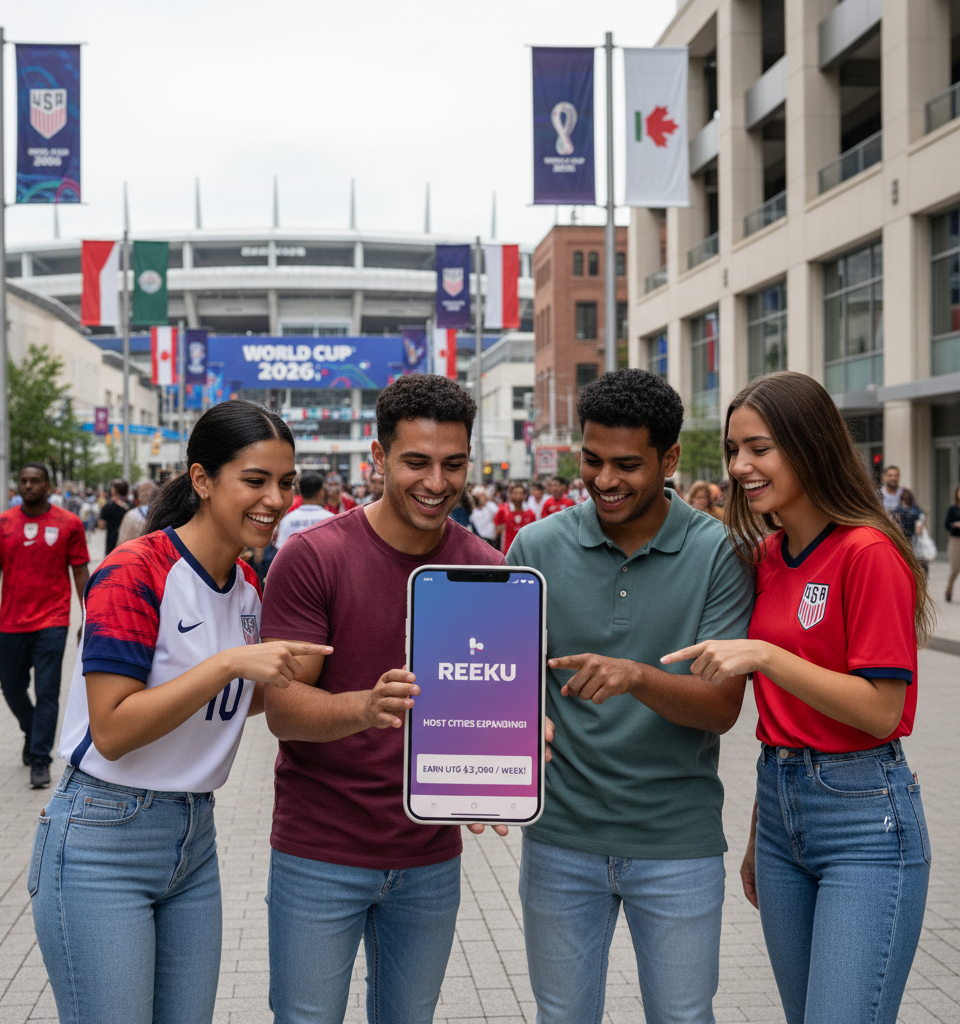
As the FIFA World Cup 2026 approaches, a unique opportunity for renters in host cities across the United States is emerging, with proptech innovator Reeku announcing its expansion into all U.S. World Cup localities. This strategic move aims to facilitate short-term rentals of unoccupied apartments, allowing residents to potentially earn up to an estimated $2,700 per week by leveraging the anticipated influx of millions of international and domestic visitors. The initiative, announced this week, offers a novel solution to both housing capacity challenges and individual financial gain during the high-demand tournament periods.
The World Cup's Economic Impact on Housing
The FIFA World Cup is renowned for its colossal economic footprint, typically driving unprecedented demand for accommodations in host regions. The 2026 tournament, distributed across 16 cities in the U.S., Canada, and Mexico, is expected to be no exception, with the U.S. alone anticipating millions of spectators. This creates a significant, albeit temporary, imbalance in the housing market, where traditional hotel infrastructure often struggles to meet peak demand. Historically, major events like the Olympics or previous World Cups have seen accommodation prices skyrocket, underscoring the potential for alternative lodging solutions.
Reeku's Operational Model and Earning Potential
Reeku's platform operates by connecting renters with short-term visitors, managing the logistics of temporary apartment turnovers, including cleaning, key exchange, and even light furniture relocation if needed. The company’s algorithm considers location, apartment size, amenities, and market demand to project earnings for participating renters. Based on preliminary analyses, a well-located apartment in a major host city could command anywhere from $1,500 to $2,700 per week during the tournament, with prime dates during group stage matches or knockout rounds seeing even higher peaks.
Reeku handles tenant vetting and provides liability insurance up to $1 million, addressing common concerns landlords and renters might have about property damage or unauthorized subletting. The platform also emphasizes compliance with local short-term rental regulations, a critical factor given varying city ordinances.
Broader Market Implications for Property and Tourism
This expansion by Reeku carries significant implications for both the property rental market and the broader tourism sector. For property owners and management companies, partnerships with platforms like Reeku could represent an opportunity to generate revenue from temporarily vacant units, or even to offer a unique amenity to their existing tenants. For visitors, it promises a more diverse and potentially more affordable range of lodging options compared to solely relying on hotels. However, the surge in short-term rentals also raises questions about its potential impact on long-term rental affordability and neighborhood dynamics, issues that have plagued similar short-term rental phenomena in other major event cities.
Expert Perspectives on the Short-Term Rental Surge
Industry experts view Reeku's expansion as a pragmatic response to a predictable demand surge. Dr. Emily Carter, an urban economics professor at NYU, commented, “This isn't just about individual renters cashing in; it's about optimizing urban housing stock for a temporary, massive influx. While there are always concerns about housing availability for permanent residents, platforms like Reeku, with robust regulatory compliance and insurance, can mitigate risks and provide a legitimate service during these extraordinary events. The key will be how well they navigate city-specific ordinances and communicate with local communities.” Others suggest these platforms could ease the burden on public transport and infrastructure by distributing visitors more widely across metropolitan areas rather than concentrating them solely in hotel districts.
The Road Ahead for World Cup Accommodations
As the FIFA World Cup 2026 draws closer, Reeku plans to launch extensive marketing campaigns in the selected host cities, including Atlanta, Boston, Dallas, Houston, Kansas City, Los Angeles, Miami, New York/New Jersey, Philadelphia, San Francisco, and Seattle. The company anticipates a rapid onboarding process for renters, with the goal of activating thousands of private residences as short-term rentals. Future developments will likely include partnerships with local tourism boards and potentially integrating with other event-specific service providers. The success of this model could set a precedent for how major global events leverage existing residential infrastructure, potentially influencing rental markets for years to come and offering a blueprint for future large-scale gatherings.