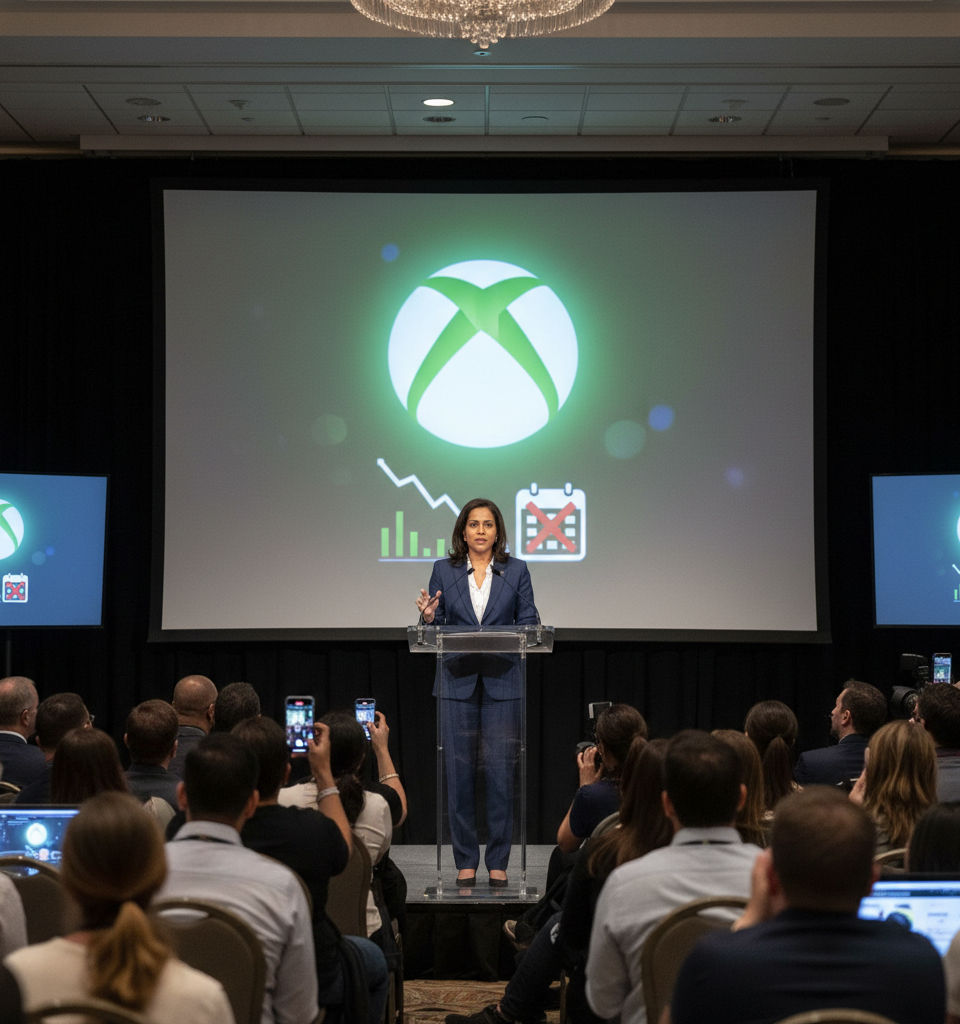
Xbox Slashes Game Pass Prices, But Day One Call of Duty Access Ends
Kris Holt•April 21, 2026•4 min read
Key Takeaways
Read this first — then go as deep as you need.
Xbox Repositions Game Pass: Price Cuts and Call of Duty’s New Path REDMOND, WA – November 18, 2024 – In a significant recalibration of its subscription strategy, Xbox, a division of Microsoft, has slashed the prices of its popular Game Pass Ultimate and PC Game Pass services. The immediate price adjustments reflect a renewed focus on subscriber growth and affordability, but the highly anticipated day-one availability of future Call of Duty titles on the service will cease, marking a pivotal moment for Xbox's content distribution strategy following its acquisition of Activision Blizzard. This strategic pivot, announced via an official Xbox blog post, arrives amidst broader market scrutiny of subscription models and internal discussions regarding pricing elasticity. The move appears to be a direct response to market pressures and internal assessments, as evidenced by a recently leaked memo from new Microsoft Gaming CEO Asha Sharma, who reportedly voiced concerns over the previous high price points of Game Pass. The price reduction aims to broaden Game Pass's appeal and potentially mitigate subscriber churn in an increasingly competitive gaming landscape. Effective immediately, the monthly cost for Game Pass Ultimate has been reduced by 23.3%, dropping from $30 to $23. Similarly, PC Game Pass subscriptions now cost $14 per month, a 15.2% decrease from its previous price of $16.50. Xbox has indicated that specific regional pricing may vary, a common practice to account for local economic conditions and market dynamics. While these reductions are a boon for consumers, the concurrent announcement regarding Call of Duty represents a more complex strategic decision, reshaping expectations for users eager to access the franchise. The cessation of day-one Call of Duty launches on Game Pass signals a potential dual-revenue strategy for Microsoft, aiming to maximize sales of premium titles while still offering a vast library through subscription. This could have substantial ramifications for both the Game Pass value proposition and the broader gaming industry. Competitors like Sony's PlayStation Plus and Nintendo Switch Online will be closely observing how this move impacts Xbox's subscriber numbers and market share. It also suggests a recognition that certain marquee titles may perform better as standalone purchases, particularly those with strong annual sales histories like Call of Duty. Industry analysts are divided on the long-term implications. "The price cut is a clear play for market share and aligns with the growing consumer demand for more affordable entertainment during economic uncertainty," notes Emily Chen, a senior analyst at GameSight Analytics. "However, pulling Call of Duty from day-one Game Pass access is a calculated risk. While it preserves premium sales, it undeniably diminishes a key selling point for the subscription, particularly after the Activision Blizzard acquisition was touted as a Game Pass booster." This strategy might lead to a two-tiered effect: increased subscriber acquisition at lower price points for the general library, while driving significant standalone sales for top-tier Activision-Blizzard titles. Looking ahead, the gaming community will be keenly watching the subscriber figures and sales data for upcoming Call of Duty releases. Xbox's strategy could evolve further, potentially introducing different tiers or premium add-ons for day-one access to select blockbuster titles. This move also sets a precedent for how Microsoft will integrate other Activision Blizzard franchises into Game Pass. The immediate future will likely see robust marketing efforts emphasizing the expanded library and reduced pricing, while the messaging around premium titles will need careful calibration to manage consumer expectations. The decision to adjust pricing reflects a data-driven approach to market dynamics, aiming to strike a balance between subscriber value and sustained revenue generation from its most successful franchises. Xbox's leadership acknowledges the need for flexibility in its business models to adapt to evolving consumer preferences and the competitive landscape. This strategic realignment heralds a new phase for Game Pass, one that prioritizes accessibility while carefully managing the release cadence of its most powerful content. Microsoft's commitment to Game Pass remains strong, but this nuanced approach to content distribution indicates a more mature and diversified strategy post-acquisition. The coming months will provide crucial insights into how this recalibration will shape the future of gaming subscriptions and the broader industry.
Discussion
Join the discussion
Sign in to leave a comment on this article.
Loading comments...
Enjoying this article?
Get more like it delivered to your inbox — free.
This article was compiled by GlobalSell News from publicly available reporting and has been edited for clarity and length. For full details, read the original source.