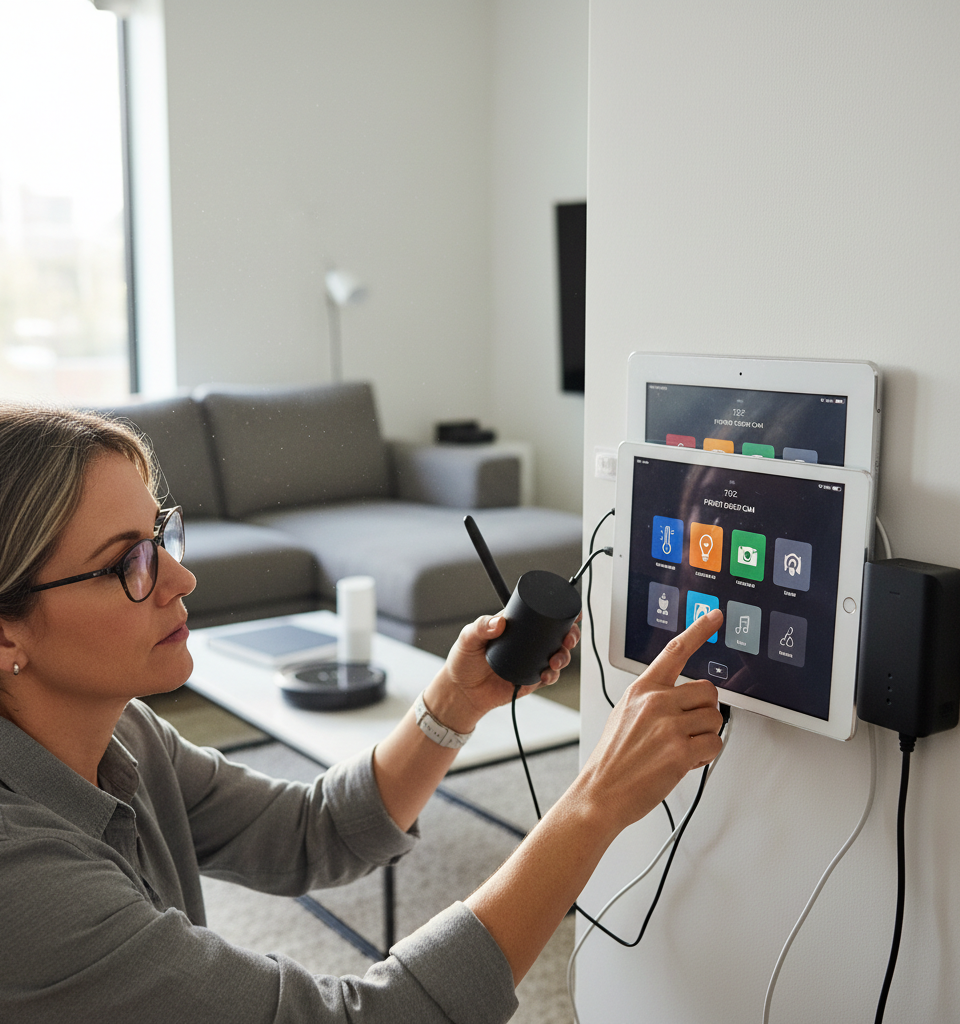
Consumers with dormant iPads and Android tablets can readily transform these devices into integrated smart home control centers, offering a practical and environmentally conscious approach to managing their connected ecosystems without significant new investment. This resourceful repurposing provides a dedicated interface for a myriad of smart devices, from lighting and thermostats to security cameras and entertainment systems, effectively eliminating the need for expensive, purpose-built smart displays.
The Rise of Repurposed Tech in Home Automation
This burgeoning trend addresses a dual challenge: the rapid obsolescence cycle of consumer electronics and the growing demand for simplified smart home management. As technology advances, many functional tablets are relegated to drawers, replaced by newer models. Yet, their processing power, display capabilities, and Wi-Fi connectivity remain perfectly adequate for handling the relatively light demands of a smart home interface. The shift towards this DIY solution underscores a broader consumer preference for affordability and sustainability, offering a tangible benefit over purchasing new, often less versatile, smart displays from manufacturers like Google, Amazon, or Apple.
Key to this transformation is the availability of robust smart home applications and platforms. Google Home, Apple HomeKit, Amazon Alexa, and various third-party apps like Home Assistant or SmartThings can be installed directly onto these older tablets. These applications centralize control, allowing users to create routines, monitor device status, and execute commands from a single, wall-mounted or tabletop display. For instance, a 2015 iPad Air 2, while no longer suitable for cutting-edge gaming, excels as a perpetual dashboard for climate control, ambient lighting adjustments, and security camera feeds.
Economic and Environmental Impact
The economic implications of this trend are significant. Instead of spending hundreds on a new smart display, consumers can leverage an existing asset, saving money and reducing electronic waste. According to a 2023 report by the Consumer Technology Association, the average household owns at least two smartphones and one tablet, indicating a substantial pool of potentially reusable devices. This not only benefits individual budgets but also contributes to a circular economy model, extending the lifespan of electronics and mitigating the environmental burden of premature disposal. The resources required for manufacturing new devices are substantial, and extending the utility of existing ones offers a tangible environmental benefit.
Industry analysts are keenly observing this organic consumer innovation. "This trend directly challenges the conventional business model of smart home device manufacturers who push dedicated hub devices," states Sarah Chen, a senior analyst at Tech Insights Group. "Consumers are demonstrating a clear preference for maximizing value from their existing investments. It forces manufacturers to consider how their software and hardware ecosystems can be more open and adaptable, rather than purely proprietary."
Expert Perspectives on Smart Home Evolution
Executives from major smart home platforms acknowledge the versatility of repurposed tablets. "We've always designed our apps to be device-agnostic within reasonable bounds," commented David Lee, Head of Smart Home Ecosystems at a leading tech firm, in a recent industry podcast. "The fact that older tablets are proving effective as control centers simply validates the power of our software to deliver a seamless user experience across various hardware."
This development is also pushing innovation in third-party integration and customizable dashboards. Platforms like Home Assistant, which thrive on open standards and community contributions, are particularly well-suited for this use case. They allow for intricate customizations, enabling users to create highly personalized interfaces tailored to their specific smart home configurations, far beyond what proprietary smart displays typically offer out-of-the-box.
Looking ahead, the longevity of this trend hinges on several factors. Software updates will be crucial; older tablets running outdated operating systems may eventually lose compatibility with newer smart home app versions. However, the basic functionality for many devices, like controlling Zigbee or Z-Wave hubs, often remains stable across generations. Furthermore, the burgeoning Matter smart home standard, designed for interoperability, could further empower older devices by simplifying connectivity across disparate brands.
Manufacturers might also begin to offer specialized accessories, such as elegant wall mounts with integrated charging, specifically designed for these repurposed tablets, recognizing the clear market demand. This evolution could lead to a new category of smart home accessories that bridge the gap between repurposed devices and dedicated smart displays, empowering consumers to build sophisticated smart home environments with sustainability and cost-effectiveness at their core.