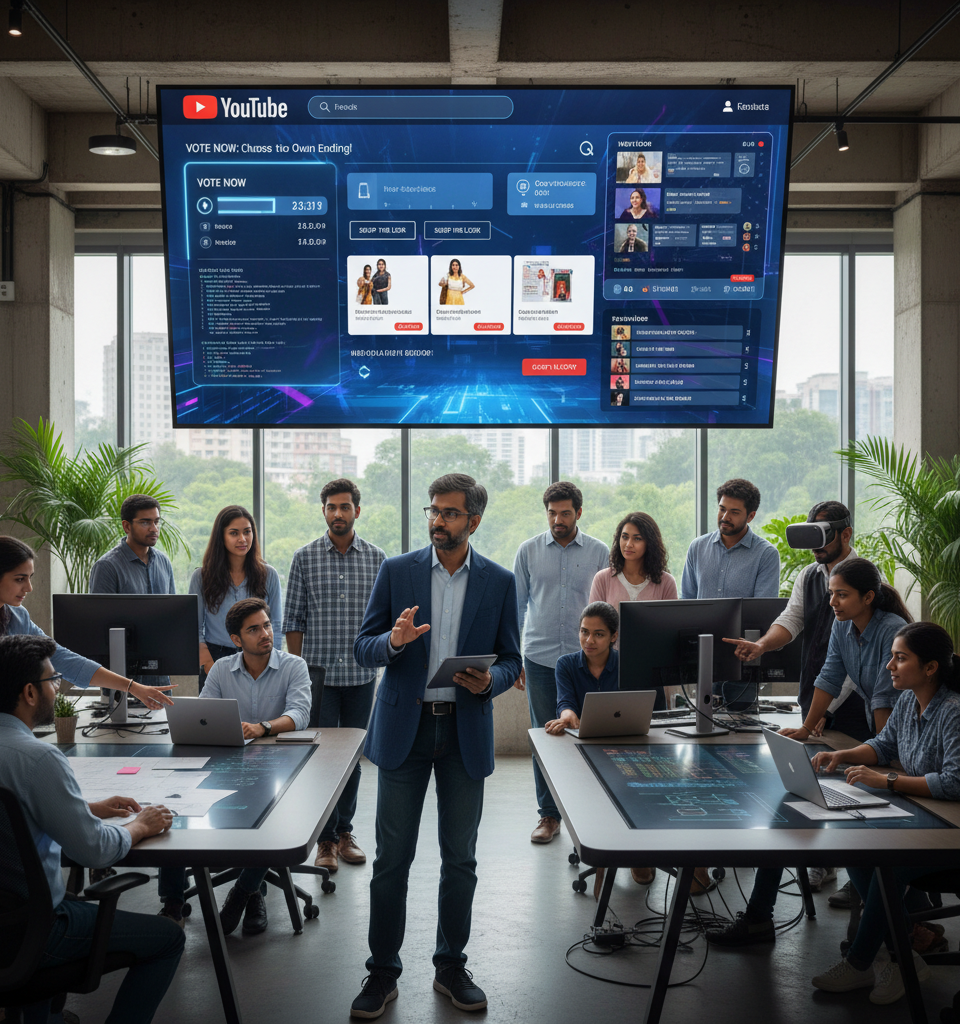
YouTube, the global video behemoth owned by Google, is making a concerted push to transform the television viewing experience by integrating advanced interactive functionalities across its broad content spectrum. This strategic initiative, highlighted by a surge in hiring for specialized roles, the forging of new partnerships, and the establishment of a dedicated innovation hub in Bengaluru, India, underscores the platform's multi-pronged approach to solidify its position in the rapidly evolving connected TV landscape. The move is designed to capture a larger share of viewer attention and advertising dollars currently flowing through traditional and streaming TV channels.
The Shifting Sands of TV Consumption
This aggressive expansion comes at a pivotal time when traditional linear television viewership continues its decline, and streaming services are vying fiercely for audience engagement. YouTube, historically dominant on mobile and desktop, has recognized the immense potential of the living room screen. Data from Nielsen indicates that YouTube's viewership on TV screens has been steadily increasing, with the platform consistently ranking among the top streaming services in terms of total watch time. The company's strategy is to leverage this growing installed base to introduce more dynamic and personalized viewing experiences, moving beyond passive consumption to active participation.
Strategic Investments and Global Expansion
Central to YouTube's TV strategy is a significant investment in talent and infrastructure. The company has posted numerous job openings globally focusing on roles related to smart TV integration, interactive content development, and enhanced user interfaces for large screens. The establishment of a dedicated innovation hub in Bengaluru, a global tech hotbed, is particularly noteworthy. This hub is expected to be a nucleus for developing cutting-edge interactive features, optimizing content delivery for diverse TV ecosystems, and fostering partnerships with TV manufacturers and content creators. Sources familiar with the matter suggest that this hub will play a crucial role in rolling out new monetization models tied to interactive elements, such as shoppable videos and polling features during live streams.
Impact on the Broader Media Landscape
YouTube's pivot towards interactive TV has significant implications for the broader media and advertising industries. For content creators, it opens new avenues for engagement and direct monetization, potentially democratizing access to TV audiences. Advertisers stand to benefit from more targeted and measurable campaigns, moving beyond traditional broadcast metrics to real-time engagement data. This shift could accelerate the fragmentation of advertising spend, drawing budgets away from incumbent broadcasters and other streaming platforms that offer less interactive experiences. The increasing sophistication of YouTube's TV offerings also puts pressure on competitors like Netflix, Hulu, and Amazon Prime Video to innovate their own interactive capabilities.
Expert Insights and Market Reactions
Industry analysts view YouTube's strategy as a shrewd move to capitalize on evolving viewer habits. "YouTube is not just eyeing the TV screen; it's aiming to integrate 'television' into its broader interactive ecosystem," commented Sarah Jenkins, a senior media analyst at Digital Media Insights. "By fostering interactivity, they're creating stickier content and unlocking new, premium advertising inventory that differentiates them from traditional streaming services. We could see significant revenue growth in their living room segment over the next 3-5 years, potentially reaching billions of dollars through advanced ad formats and commerce integrations." The market has reacted positively to these strategic announcements, with Google's stock (GOOGL) showing consistent strength, partly attributed to investor confidence in its diversification and growth strategies.
The Interactive Future: What's Next?
The immediate future will likely see YouTube roll out more sophisticated interactive overlays for live events, such as sports and concerts, allowing viewers to participate in polls, access real-time statistics, and even make in-app purchases. Expect an expansion of shoppable video formats directly integrated into TV content, transforming passive viewing into active commerce. Furthermore, advancements in AI and machine learning will personalize interactive elements, tailoring experiences to individual viewer preferences. YouTube's long-term vision appears to be a seamless, unified viewing experience across all devices, with the TV becoming the central hub for interactive engagement, content consumption, and commerce, further blurring the lines between traditional television and digital media.