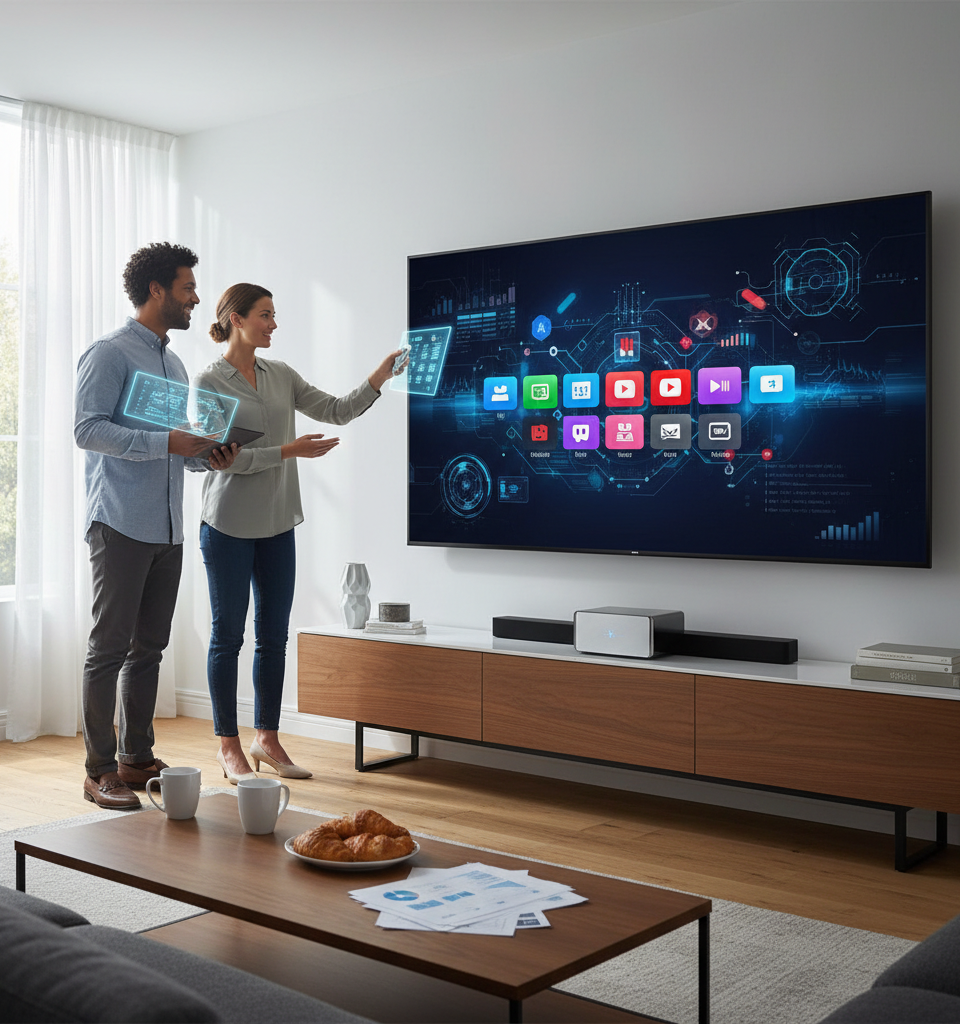
NEW YORK, NY – May 18, 2024 – YouTube, the undisputed leader in television content delivery across the United States, is actively bolstering its dominant market position through the introduction of innovative new features designed to seamlessly integrate mobile device functionality with the big-screen viewing experience. Unveiled strategically ahead of its annual Brandcast presentation to advertisers, these enhancements directly address the industry's pervasive 'second screen problem,' aiming to create a more cohesive and engaging user journey that keeps viewers entrenched within the YouTube ecosystem.
YouTube's proactive innovations are particularly significant given its unprecedented growth on connected TVs. The platform has consistently reported surging viewership on television screens, with Nielsen data frequently highlighting its status as the most-watched streaming service in the U.S. This pre-emptive strategy underscores YouTube's commitment to maintaining its market stronghold, recognizing that even substantial leads warrant continuous innovation to deter potential rivals in the hyper-competitive streaming landscape.
The core of YouTube's latest TV-centric features revolves around enhanced interactivity and integration. One key development allows users to effortlessly cast videos from their mobile devices to their smart TVs without interrupting the playback on the big screen. Furthermore, new interactive elements displayed directly on the TV interface enable viewers to seamlessly engage with content, such as buying products featured in ads, accessing creator merchandise, or participating in polls, all while remaining focused on their television. This bridges the gap between passive viewing and active engagement, transforming the TV into a more dynamic platform.
This strategic push directly contrasts with the challenges faced by many streaming services, including Netflix, which often struggle with what is termed the 'second screen problem.' For many platforms, viewers frequently glance at their phones during TV watching, distracting them from the primary content. YouTube's approach, conversely, aims to transform the mobile device from a distraction into a complementary tool, enhancing rather than detracting from the TV experience. This positions YouTube as a pioneer in developing a truly integrated, multi-device viewing paradigm for the living room.
Industry analysts view these developments as a smart, defensive play by YouTube. "YouTube isn't just about passive consumption anymore; it's about active participation, and these TV features are a testament to that," commented Sarah Jenkins, a senior analyst at Digital Media Insights. "By solving the second screen issue through integration rather than elimination, they're not only improving user experience but also opening up new monetization avenues for advertisers and creators. This extends their lead by making their TV experience inherently more valuable than traditional linear or even competing on-demand services."
The economic implications for both YouTube and its vast network of creators are substantial. By making it easier for viewers to interact with brand content and creator merchandise directly from their televisions, YouTube is unlocking new revenue streams. This enhanced interactive advertising functionality is expected to be a key talking point at Brandcast, where YouTube traditionally pitches its value proposition to major advertisers. The ability to seamlessly convert viewer interest into concrete actions could command higher ad rates and attract a broader range of brands seeking direct engagement.
Looking ahead, these features are likely just the beginning of YouTube's ambitious plans for TV. Future iterations could include more sophisticated AI-driven personalization directly on the TV interface, group viewing functionalities that incorporate real-time mobile chat, or even augmented reality elements that bridge the physical and digital viewing spaces. The clear trajectory is towards making the TV a central hub for all forms of digital interaction, with YouTube firmly positioned at its core.
As YouTube gears up for its Brandcast presentation, these innovations send a strong message to both advertisers and competitors: the platform is not resting on its laurels. By continuously evolving its user experience and solving fundamental challenges like the 'second screen problem' on television, YouTube is not only solidifying its current market dominance but also proactively shaping the future of digital content consumption in the living room.