The evolving regulatory landscape for online content platforms presents a critical test for creators whose livelihoods depend on specific niches. This shift could necessitate new business models and content strategies for digital entertainers globally.
YouTube is implementing new rules aimed at addressing content that promotes imitable patterns of disordered eating, signaling a potential turning point for mukbang streams, a genre that has been a significant curiosity on the internet for over a decade. As of 2026, mounting concerns from parents and technology companies about the influence of such content are driving these changes.
The Rise of Mukbang and Emerging Concerns
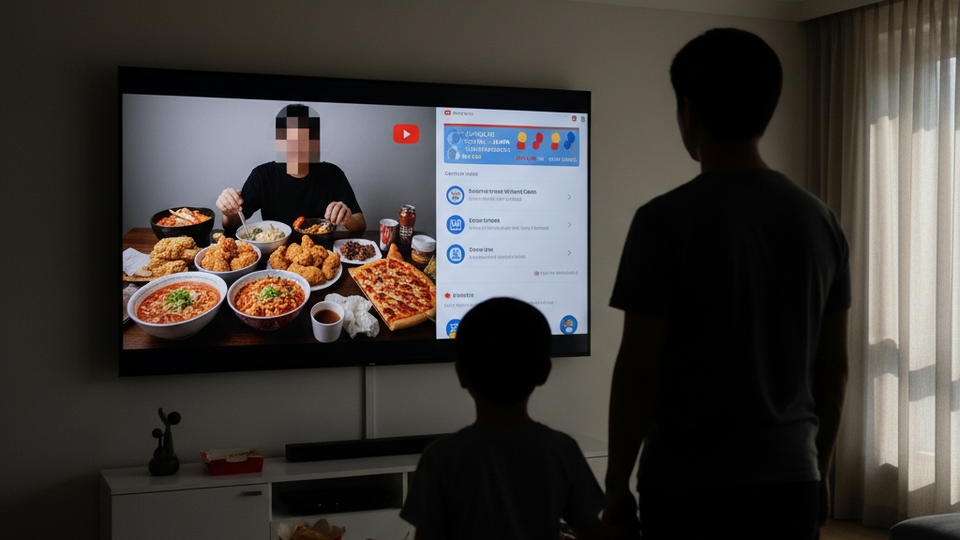
Mukbang, derived from the Korean words for "eating" and "broadcast," refers to live streams where creators consume exceptionally large quantities of food, often accompanied by conversational elements. This genre originated in South Korea and rapidly gained international popularity, becoming a staple on platforms like YouTube. For many years, these broadcasts have drawn millions of viewers, fascinated by the sheer volume of food consumed and the interactive nature of the streams.
However, the casual presentation of extreme eating habits has increasingly raised alarms among public health advocates and parents. The core issue revolves around the potential for mukbang content to normalize or even encourage behaviors associated with disordered eating, particularly among younger, impressionable audiences. This concern has escalated into a point where major platforms are compelled to act.
YouTube's Policy Shift
While the exact details of YouTube's new eating disorder rules are not provided in the original description, the framing indicates a proactive move to mitigate perceived harms. These policies are likely to target content that explicitly or implicitly glorifies excessive food consumption in ways deemed detrimental to mental and physical health. The implementation of such rules could lead to demonetization, content removal, or even channel termination for creators who fail to comply, potentially forcing a significant re-evaluation of content creation within the mukbang category.
Industry and Creator Impact
The ripple effects of YouTube’s impending policy changes are expected to be profound for the mukbang industry. Creators who have built substantial audiences and revenue streams around extreme eating displays may need to adapt their content dramatically. This could involve shifting towards more moderate eating practices, focusing on cooking demonstrations, or diversifying into entirely new content genres to remain viable on the platform. The change could also inspire other platforms to review their own content guidelines regarding eating-related content.
The policy shift also highlights a broader trend of technology companies taking increased responsibility for the societal impact of the content hosted on their platforms. This move by YouTube could set a precedent, encouraging greater scrutiny of niche content categories and their psychological effects on viewers.
What This Means for the Future of Mukbang
The future of mukbang content as it currently exists is uncertain. While the genre may not disappear entirely, it is likely to evolve significantly under the new regulatory pressures. Creators may lean into more moderated, educational, or entertainment-focused formats that de-emphasize extreme consumption. The underlying appeal of shared eating experiences might persist, but the methods of delivery could become subject to stricter ethical and health-conscious guidelines.
This development underscores a crucial ongoing challenge for content platforms: balancing free expression and diverse entertainment with the responsibility to protect user well-being. The evolving landscape of online content regulation will likely continue to reshape how creators operate and how platforms manage their digital ecosystems.