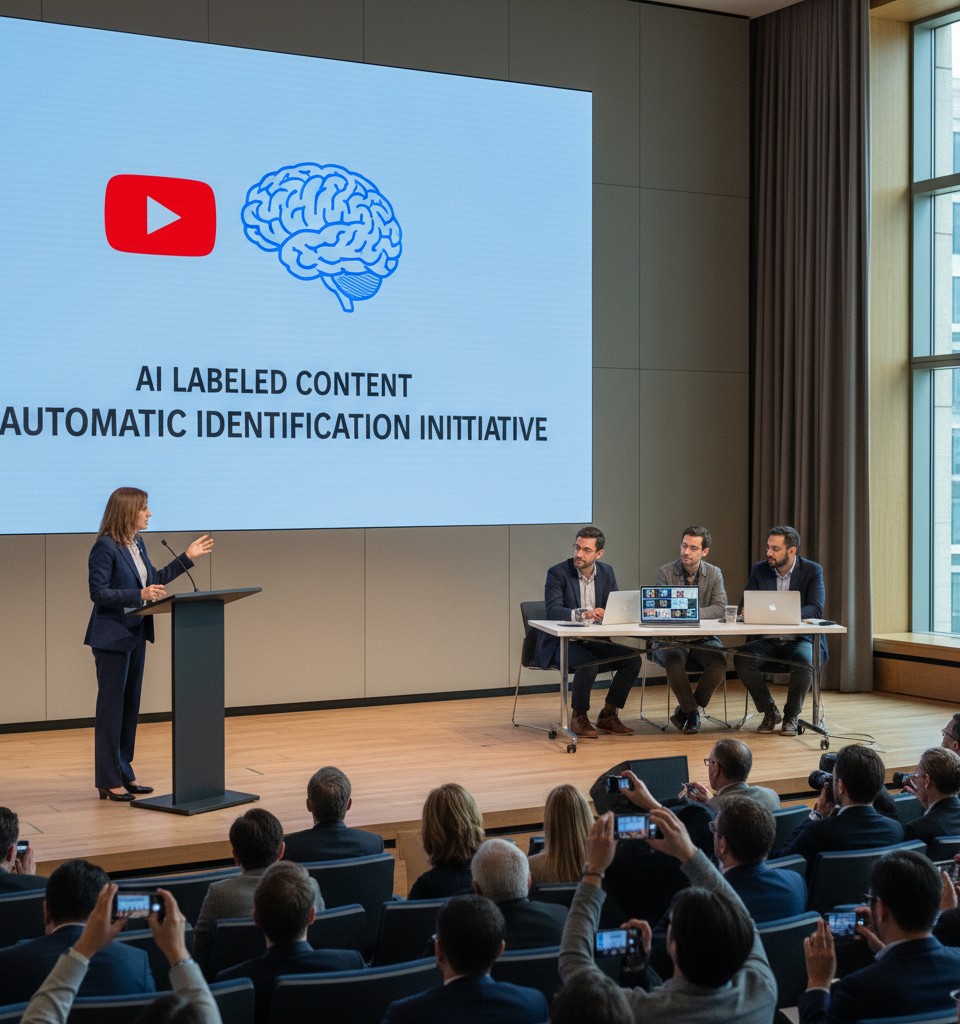
YouTube is poised to roll out a new system designed to automatically identify and label videos featuring significant photorealistic artificial intelligence. This initiative marks a considerable shift in the platform's approach to content transparency, moving away from a creator-centric disclosure model to one that leverages automated detection. The change also includes making these AI-generated content labels more prominent to viewers.
Context and Rationale
The proliferation of AI-generated content, particularly photorealistic videos, has become a growing concern across digital platforms. Misinformation and deepfakes pose significant challenges, making it difficult for viewers to discern synthetic content from authentic footage. YouTube's move is a proactive measure to address these concerns, aiming to maintain user trust and uphold the integrity of its vast content library. Previously, the onus was primarily on creators to self-disclose the use of AI. However, this new system suggests an acknowledgment that relying solely on voluntary disclosure may not be sufficient given the rapid advancement and increasing sophistication of AI tools.
Key Operational Details
Under the forthcoming system, YouTube's algorithms will be tasked with detecting instances of significant photorealistic AI within uploaded videos. When such content is identified, an automatic label will be applied. While the exact technical specifications of this detection mechanism have not been fully detailed, the emphasis on "significant photorealistic AI" indicates a focus on content that could potentially be misleading due to its realistic appearance. The increased prominence of these labels suggests they will be more readily visible to viewers, likely appearing alongside video titles or within the video player itself, thus providing immediate context without requiring users to delve into deeper descriptions.
Industry and Market Implications
This development from YouTube carries substantial implications for the broader digital content industry. As one of the world's largest video platforms, its policies often set de facto standards that other platforms eventually adopt or emulate. Competitors may feel pressure to implement similar automated detection and labeling systems to combat the spread of AI-generated misinformation and maintain competitive parity in user trust. For content creators, this necessitates a greater awareness of AI usage and its implications, potentially influencing production workflows and transparency practices. Advertising partners, too, may favor platforms with robust content authenticity measures, impacting revenue streams for both platforms and creators.
Broader Regulatory Landscape
This internal policy shift by YouTube also aligns with a growing global regulatory push for greater transparency surrounding AI. Governments and legislative bodies worldwide are increasingly drafting laws and guidelines concerning AI ethics, data privacy, and the responsible deployment of AI technologies. By implementing an automated labeling system, YouTube is positioning itself ahead of potential mandates, demonstrating a commitment to responsible AI governance. This proactive stance could mitigate future regulatory scrutiny and enhance its reputation as a platform committed to responsible technology use.
Future Implications and Next Steps
The introduction of automated AI labeling represents a significant step in the ongoing evolution of content moderation on digital platforms. While the immediate focus is on photorealistic AI, this technology could eventually be expanded to detect other forms of AI-generated content, such as synthetic audio or text. The effectiveness of the detection algorithms, the clarity of the labels, and user reception will be critical factors in the long-term success of this initiative. Furthermore, YouTube will likely need to establish clear appeal processes for creators who believe their content has been mislabeled, ensuring fairness and accuracy in its new automated system. This move underscores a pivotal moment in how digital platforms are grappling with the opportunities and challenges presented by advanced AI capabilities.