For businesses navigating the complexities of global logistics and supply chains, the commercialization of autonomous vehicle services like Zoox's robotaxis represents a crucial indicator of future transportation infrastructure and cost efficiencies. The successful deployment and scaling of such technology could significantly alter urban freight delivery, last-mile solutions, and even personnel transit, impacting operational overheads and strategic market access in key international hubs.
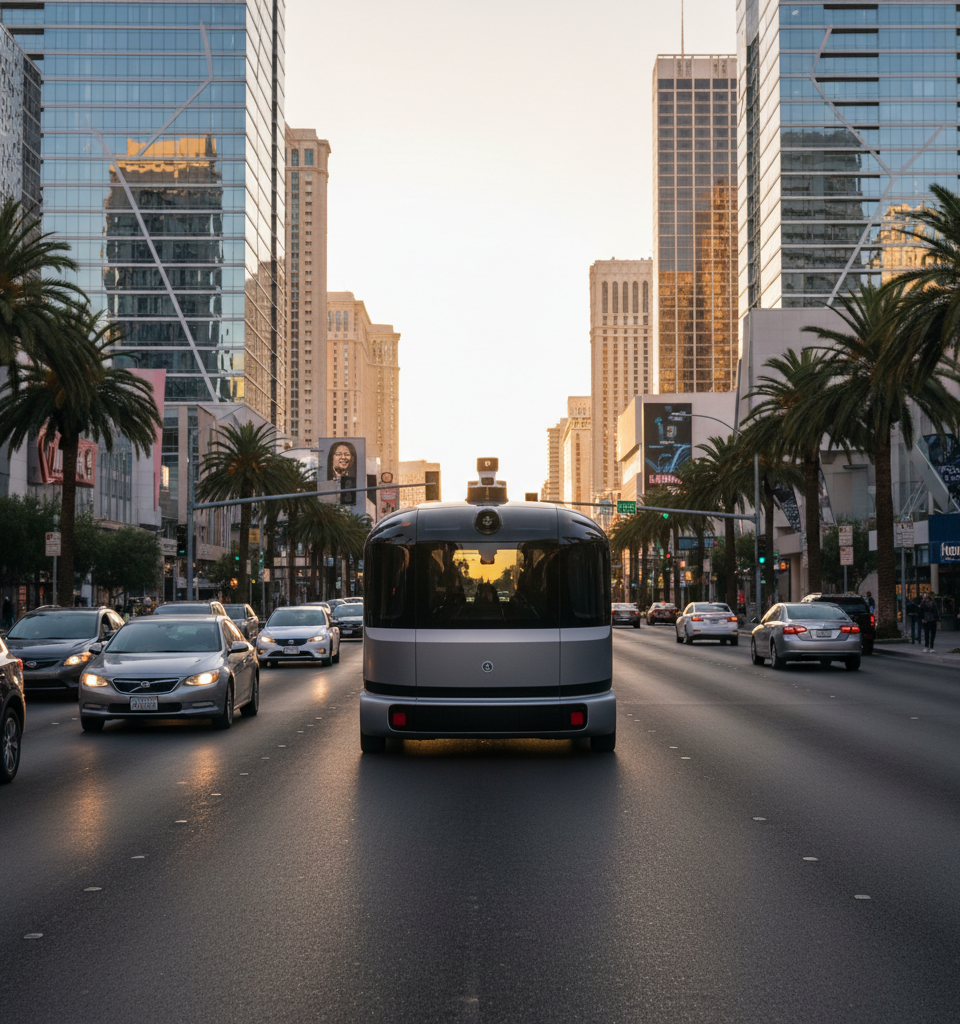
Amazon-owned autonomous vehicle company Zoox is on the verge of launching commercial operations, with plans to begin charging passengers for robotaxi rides in Las Vegas. This development marks a pivotal moment for the company, signifying its official entry into the public transportation market and positioning it as a notable contender in the burgeoning self-driving mobility sector.
Context and Background
Zoox, a subsidiary of Amazon since 2020, has been developing its purpose-built autonomous vehicles for several years, focusing on a fully integrated, end-to-end ride-hailing service. Unlike many competitors that adapt existing vehicles with autonomous technology, Zoox engineered its robotaxi from the ground up to operate without human drivers, featuring a symmetrical, bidirectional design and a spacious interior. The move to a fare-based model in a high-profile market like Las Vegas underscores a transition from research and development to commercial viability. This strategic launch follows extensive testing and regulatory approvals, aiming to demonstrate the practical application and economic potential of its autonomous fleet.
Key Details of the Rollout
The initiation of paid services in Las Vegas will serve as the initial public phase of Zoox's commercial strategy. While specific fare structures and service areas within Las Vegas have not been detailed, the announcement highlights the company's readiness to monetize its advanced autonomous driving technology. The robotaxis are designed for urban environments, prioritizing passenger safety and comfort. This official launch is expected to provide Zoox with valuable real-world operational data, customer feedback, and financial insights necessary for broader expansion. The company has previously conducted extensive private testing with employees and select individuals to refine its service and technology ahead of this commercial debut.
Industry and Market Impact
Zoox's entry into the paid robotaxi market intensifies competition within the autonomous vehicle industry, challenging established players and other startups vying for market share. The backing of Amazon provides Zoox with significant financial resources and strategic advantages, potentially accelerating its growth and scalability. The launch in Las Vegas, a city known for its tourism and 24/7 economy, offers a high-visibility environment for showcasing the reliability and efficiency of autonomous ride-hailing. Success here could influence public perception and regulatory acceptance of self-driving technology across other major cities, potentially paving the way for wider adoption and new business models in urban mobility.
Looking Ahead
The commercial launch in Las Vegas is widely anticipated to be a foundational step for Zoox. The company's long-term vision includes expanding its autonomous ride-hailing services to other major urban centers, subject to regulatory landscapes and operational readiness. The insights gained from this initial commercial deployment will be crucial for refining its business model, optimizing its technology, and navigating the complex challenges associated with scaling a fully autonomous transportation service. Future developments will likely focus on increasing fleet size, broadening operational domains, and continuously enhancing the passenger experience, marking a critical phase in the journey towards ubiquitous self-driving robotaxi services.